
 Randy Guerra
Managing company cars can be a heavy drain on a startup’s finances. Every penny counts, and high vehicle costs can slow growth. However, there are clever ways to cut expenses without sacrificing mobility. Startups often overlook simple strategies that bring substantial savings, making these small business tips especially valuable. Car expenses go beyond just the sticker price; fuel, maintenance, and insurance all pile up. Being proactive can turn this cost into a manageable part of the budget.
Opt for Fuel-Efficient Vehicles
 Choosing the right vehicle is the first step to cutting costs. Fuel-efficient cars can save hundreds each month, especially if employees drive often. Electric or hybrid models are becoming more affordable and practical for city commutes. Even compact gasoline cars can outperform larger vehicles in long-term fuel consumption. Startups can lease these models to reduce upfront spending. Over time, the small savings add up to significant financial relief.
Embrace Car Sharing
Owning a fleet isn’t always necessary for a young business. Car sharing lets employees access vehicles only when needed. This reduces maintenance costs because fewer miles are driven overall. It also lowers the need for multiple parking spots and insurance policies. Apps and services that manage shared cars simplify scheduling and tracking. For startups, this method turns car use into a flexible, pay-as-you-go solution.
Prioritize Preventive Maintenance
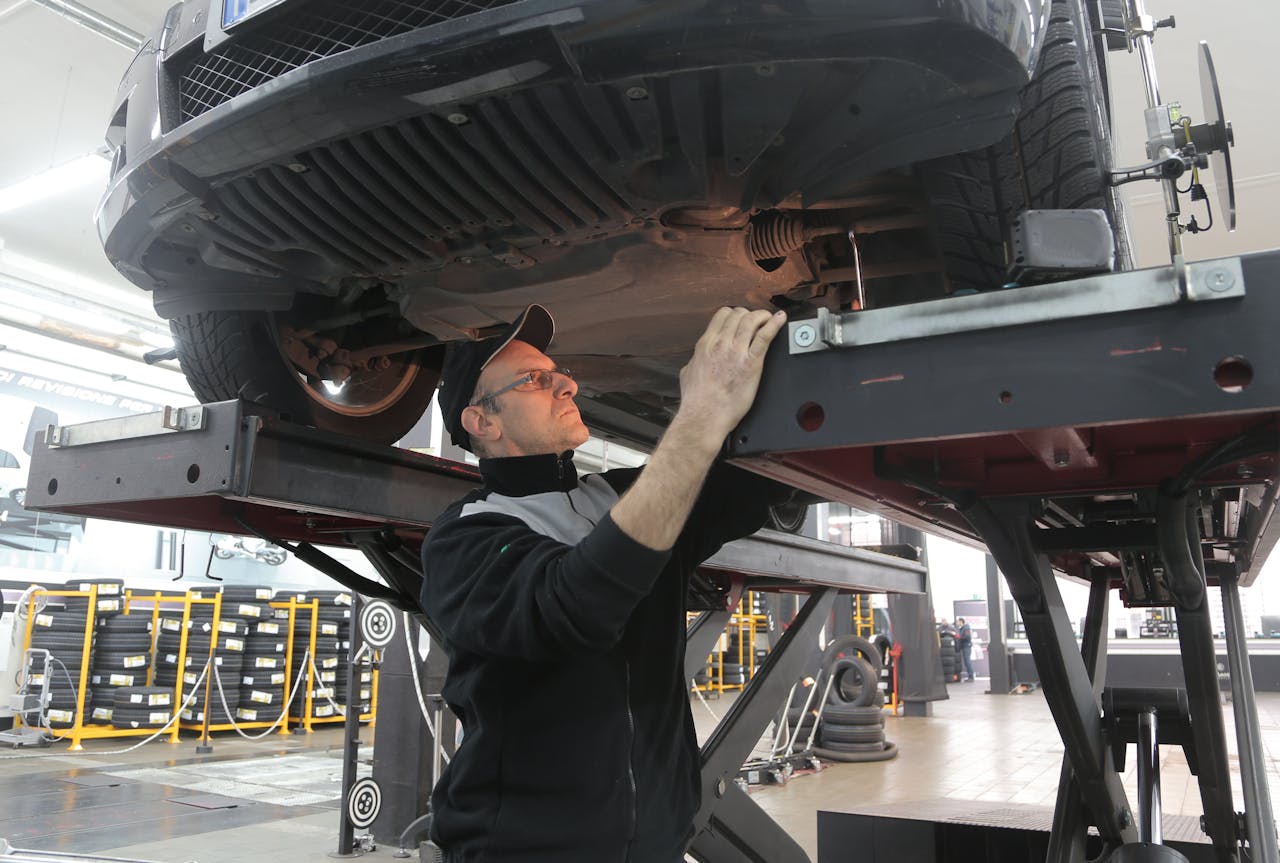
Ignoring routine maintenance is a fast track to expensive repairs. Simple actions like regular oil changes and tire checks keep cars running longer. Well-maintained vehicles are safer and more reliable, cutting downtime costs. Startups should track service schedules carefully to avoid surprises. Even a small investment in maintenance can prevent a large, unexpected bill. Over time, consistent care reduces the total cost of ownership significantly.
Consider Leasing Over Buying
 Leasing can be more budget-friendly than purchasing outright. Monthly payments are often lower, freeing up capital for other business needs. Leases also usually include warranty coverage, reducing repair expenses. Startups benefit from driving newer models without the long-term commitment of ownership. At the end of a lease, the company can switch vehicles to match evolving needs. This flexibility keeps transportation costs predictable and manageable.
Managing company cars doesn’t have to drain a startup’s resources. Careful vehicle selection, sharing strategies, preventive maintenance, and smart financing can all lower costs. Small choices in these areas accumulate into big savings over time. Startups that actively control car expenses can redirect funds toward growth and innovation. It’s about being smart with money without cutting essential mobility. In the end, frugality with vehicles can fuel both savings and business success.