
Randy Guerra
- Auto
- February 20, 2026
- 1164 views
Why Classic Car Fans Are Obsessed (And You Might Be Too)
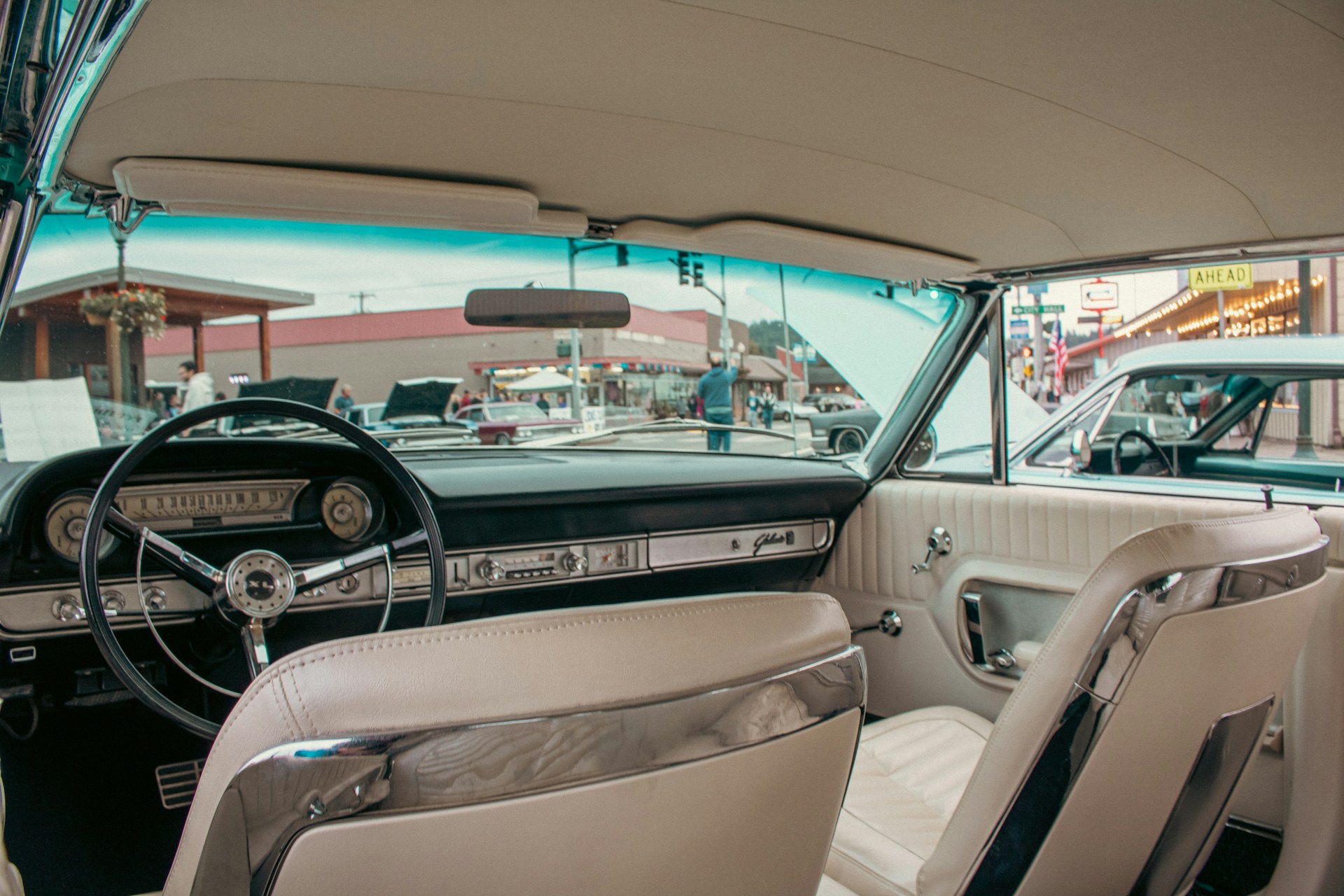
There’s a moment when the engine fires up, and suddenly you get it. The sound is rougher. The steering feels alive. And just like that, an Alex Manos Car Buyer is wondering no more about why something older feels more exciting than a brand-new performance car. So what’s the deal? Why do these older machines hook people so deeply?
They Deliver Raw, Mechanical Feel
Modern cars are fast. That’s a fact. But older machines make you work for it, and that effort creates a connection. There’s steering feedback that talks back. The brakes require intention. The gearbox rewards skill and punishes laziness. Every input matters, and that makes every drive memorable. You feel the engine’s vibration through the seat. You smell a hint of fuel. It’s imperfect, and that’s the charm. It’s driving in high definition, no filters. It’s analog in a digital age, and that contrast makes every mile feel earned.
They Tell a Story You Can Touch
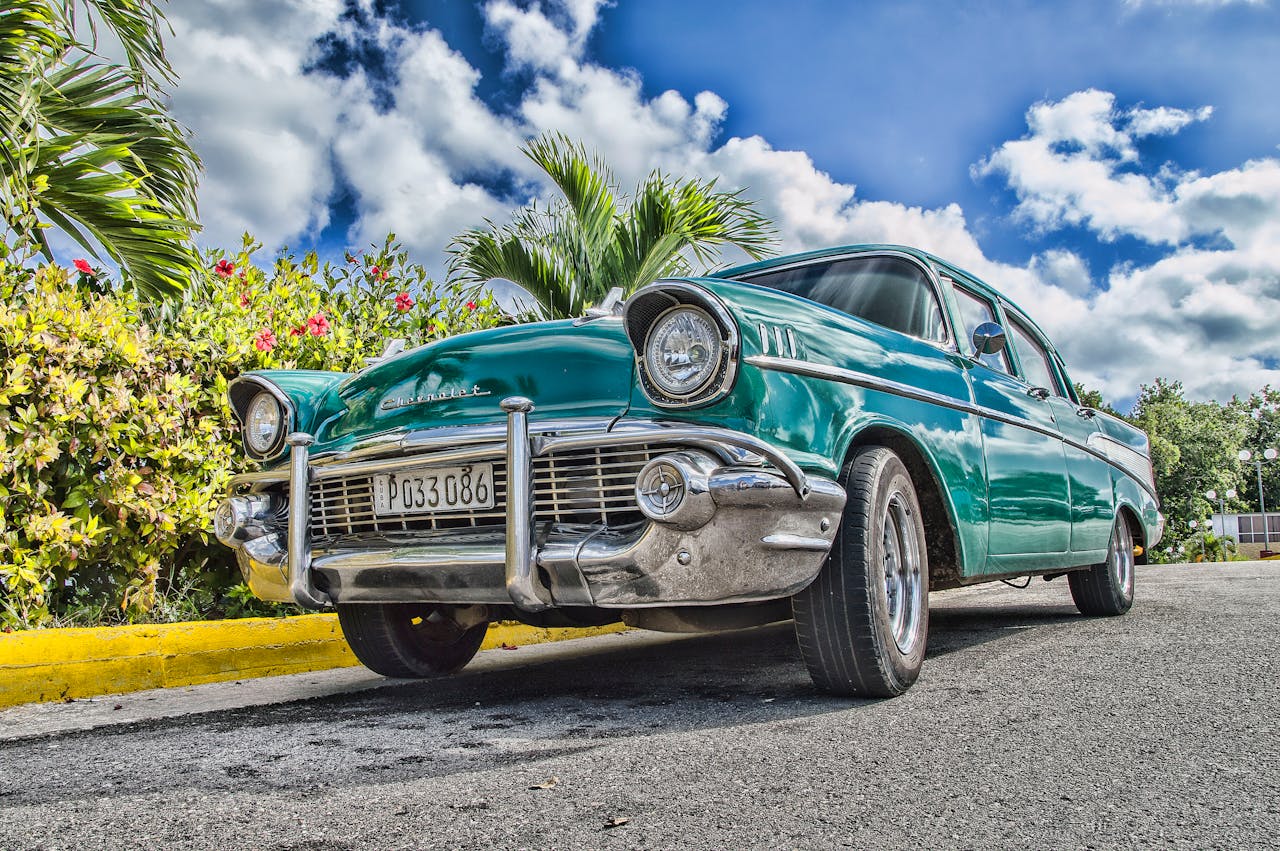
Every older vehicle carries a timeline. Previous owners, faded registrations, toolkits with missing pieces. It’s history on wheels. Fans love that backstory. A scratch isn’t damage. It’s a chapter. A worn steering wheel isn’t a flaw. It’s proof of life. Car people don’t just buy metal. They buy narrative. And that narrative becomes part of their own timeline once the keys change hands. Owning one feels less like a purchase and more like becoming the next caretaker in a long chain of drivers.
They Reward Skill and Patience
You don’t just jump in and expect perfection. Older cars demand involvement. That’s part of the appeal. Maintenance teaches you things. Adjusting carburetors, checking timing, and diagnosing strange noises. You build knowledge, not just mileage. It creates pride. You fixed it. You tuned it. You brought it back. That sense of ownership runs deeper than a monthly payment ever could. Mastering one feels like leveling up in real life, not just pressing a start button.
They Create Instant Community

Take a vintage model to a gas station and watch what happens. Someone will approach. Stories will start flying. These cars are conversation magnets. They connect strangers. They spark debates about originality, paint codes, and factory specs. Shows and meetups become social hubs. People trade advice. They swap parts. They build friendships around shared obsessions. It’s more than transportation. It’s a culture with wheels. That shared passion turns parking lots into mini car meets within minutes.
They Can Hold Real Value
Let’s talk numbers for a second. Certain older models have proven resilient in the market. Demand stays steady for the right examples. Condition matters. Documentation matters. Originality matters. Buyers who understand this treat purchases like long-term plays, not impulse buys. That’s where experience counts. Knowing what to buy and when to sell separates smart collectors from emotional shoppers. Some enthusiasts start for passion and stay for the strategy. Others flip that order. Either way, the financial angle adds another layer of intrigue.
In the end, the obsession makes sense. Raw driving feel. Tangible history. Skill-building. Community. Market strength. That’s a powerful mix. You might think you’re just browsing listings for fun. Then you start memorizing chassis codes. It happens fast. Classic car fans aren’t crazy. They’re captivated.…
- Auto
- March 10, 2025
- 598 views
Mistakes to Avoid When Selling Cars Online
Selling cars online can be an exciting venture. With more buyers turning to the internet for their next automobile, this digital marketplace offers a world of opportunities. This is when some opt to buy social media followers to boost sales. However, it’s easy to make mistakes that could cost you time and money. Whether running a dealership or just looking to sell your vehicle privately, knowing what pitfalls to avoid is essential. Let’s dive into some common missteps that can derail your selling experience and how to steer clear of them effectively.
Not Researching the Market and Setting the Wrong Price

Setting the right price is crucial when selling cars online. Many sellers jump into the process without researching market trends. This can lead to undervaluing or overpricing their vehicle. Understanding your car’s worth requires a bit of homework. Look at similar models in your area, paying attention to factors like mileage, condition, and additional features. Websites dedicated to automotive sales can offer valuable insights. Overestimating the value turns potential buyers away. They often compare prices across various listings before making decisions. If your price isn’t competitive, they’ll likely look elsewhere. On the flip side, pricing too low may raise concerns about quality or hidden issues. It could also mean leaving money on the table that you deserve for your automobile.
Neglecting to Take Quality Photos and Videos
 When selling cars online, visuals matter. A clear, well-lit photo can capture a buyer’s attention instantly. On the flip side, blurry or poorly lit images can send potential customers running. Videos add an extra layer of engagement. They allow buyers to see the car in action and get a feel for its condition. A simple walk-around video showcasing key features makes your listing stand out. Don’t forget details like interior shots and engine views. Buyers want to see everything before deciding. Ignoring this aspect means missing out on interested parties who could have been won over by quality visuals. Investing time in capturing high-quality photos and videos pays off significantly. It builds trust with buyers and shows you care about how your automobile is presented. So grab that camera or smartphone—you’ll thank yourself later.
Failing to Provide Accurate and Detailed Descriptions
When selling cars online, the importance of accurate and detailed descriptions cannot be overstated. Buyers rely on your words to understand what they are considering purchasing. A vague description can lead to misunderstandings. If a buyer expects a pristine vehicle but finds it has hidden flaws, trust is broken. This could even result in negative reviews or returns. Highlight key features like mileage, service history, and unique attributes. Be transparent about any issues the automobile may have had; honesty goes a long way in building rapport with potential buyers. Remember, an informed buyer is more likely to commit to a purchase when they feel confident about their decision based on your thorough description.
Not Being Responsive or Available for Potential Buyers

When selling cars online, prompt communication is essential. Potential buyers often have questions about the vehicle’s condition, history, or pricing. If you don’t respond quickly, they might lose interest and move on to another listing. Being available also fosters trust. Buyers feel more comfortable when they know they can reach you easily. Ignoring inquiries or delaying responses can create a negative impression of you and the car you’re selling. Set aside time each day to check for potential buyer messages. The quicker your response time, the better your chances of sealing a deal with eager customers looking at various automobile options in their search for a great vehicle.
Selling cars online can be a rewarding venture, but it’s important to navigate the process carefully. By steering clear of these mistakes, sellers can create a more effective online presence that resonates with buyers looking for their next car from reputable dealerships or private sellers. Engaging effectively will lead to smoother transactions and happier outcomes for everyone involved.…

- Auto
- July 25, 2024
- 506 views
How to Get the Best Experience Owning a Used Car
Owning a used car can be a rewarding and cost-effective experience if managed properly. For instance, you can enjoy a used Buick Miami with little to no issues as long as you have the right guide. With the right approach, you can maximize the value, reliability, and enjoyment of your vehicle. Here are some essential tips to help you get the best experience owning a used car.
Conduct Thorough Initial Research
Before purchasing a used car, invest time in researching different makes and models. Look for vehicles with a reputation for reliability and low maintenance costs. Review consumer reports, online forums, and professional reviews to gather insights about potential issues and overall performance. This research will guide you in selecting a car that meets your needs and is less likely to cause problems down the road.
Perform Regular Maintenance
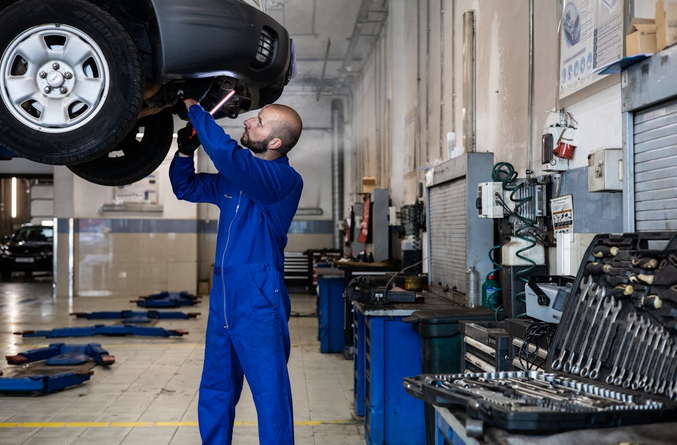
Regular maintenance is critical to the lifetime and performance of any vehicle, particularly a used automobile. Follow the manufacturer’s suggested maintenance plan for oil changes, tire rotations, brake checks, and other routine repairs. Keeping up with these duties can help you avoid expensive repairs and keep your automobile running smoothly. It’s also a good idea to establish a working connection with a reputable technician who can offer professional advice and assistance.
Keep Detailed Records
It is important to maintain detailed records of all services and repairs performed on your car. This includes receipts, maintenance logs, and any repair work. Having a comprehensive record not only helps you keep track of your car’s health but also enhances its resale value. Prospective buyers appreciate knowing the vehicle has been well-maintained, making it easier to sell when the time comes.
Use Quality Parts and Fluids
When it comes to replacing components and fluids, always choose high-quality options. Cheap or inferior components cause further damage and costly repairs in the long term. Use the recommended oil, transmission fluid, and other essential fluids to ensure optimal performance. Investing in quality parts and fluids might cost more initially, but it pays off by extending the life of your car.
Keep It Clean
Regularly cleaning your car’s exterior and interior is not just about aesthetics; it also protects the vehicle. Dirt, grime, and salt can cause rust and damage to the paint. Cleaning the interior prevents wear and tear on the upholstery and maintains a pleasant environment. Consider waxing the car periodically to protect the paint and keep it looking new.
Drive Sensibly
Your driving habits significantly impact your car’s longevity and performance. Avoid aggressive driving, which can strain the engine, transmission, and brakes. Instead, drive smoothly, accelerate gradually, and brake gently. This lessens wear and tear on the vehicle and can improve fuel efficiency. Additionally, avoid overloading the car, as excessive weight can put undue stress on various components.
Invest in Good Tires

Tires are among your car’s most critical components. Investing in high-quality tires and maintaining them properly is essential for safety and performance. Regularly check tire pressure, alignment, and tread depth. Rotate the tires as recommended to ensure even wear. Good tires improve handling, fuel efficiency, and overall driving experience.
Stay Informed About Recalls and Updates
Stay informed about any recalls or updates related to your vehicle. Manufacturers often issue recalls to address safety issues or defects. Register your car with the manufacturer to receive notifications about recalls and updates. Addressing recalls promptly ensures your car remains safe and reliable.
Plan for Long-Term Costs
Owning a used car involves long-term costs, including maintenance, repairs, insurance, and fuel. Plan for these expenses by setting aside a budget for car-related costs. Consider acquiring an extended warranty or a service contract to cover major repairs. Being financially prepared for unexpected expenses ensures you can maintain your car without stress.
Getting the best experience owning a used car involves a combination of research, regular maintenance, quality parts, prompt issue resolution, and sensible driving habits. By following these tips, you can enjoy a reliable and enjoyable driving experience, maximize the value of your vehicle, and minimize the risks and costs associated with owning a used car. With proper care and attention, your used car can offer years of reliable service and driving pleasure.…
- Auto
- January 17, 2024
- 626 views
Behind the Wheel of Elegance: Exploring the Stylish Features of Vintage Cars
Embarking on a journey back in time, vintage cars beckon with an alluring charm that transcends mere transportation. These four-wheeled masterpieces are not just vehicles. They are time capsules, encapsulating an era of design sophistication and automotive elegance. Join us as we take a leisurely drive through the stylish features of Beverly Hills Classic Cars, exploring the details that make each ride a nostalgic and visually enchanting experience.
Timeless Silhouettes
At first glance, vintage cars are distinguished by their unmistakable silhouettes. From the sleek curves of Art Deco-inspired vehicles to the bold lines of mid-century classics, each model boasts a distinctive profile that reflects the design ethos of its time. Vintage cars were not merely built; they were sculpted, with every line contributing to an overall aesthetic that exudes grace and timeless beauty.
Chrome Brilliance
One cannot discuss the stylish features of vintage cars without acknowledging the role of chrome. A gleaming chrome grille, door handles, and accents were not merely functional elements but statements of opulence. The reflective brilliance of chrome added a touch of luxury to these automobiles, catching the sunlight as they rolled down the avenues of the past.
Artful Instrumentation
The dashboard of a vintage car is a symphony of gauges, knobs, and switches, arranged with an artistic precision that is often missing in modern vehicles. Instrument panels were not just functional; they were designed as works of art, with meticulous attention given to the typography, layout, and overall aesthetics. Each dial told a story of the car’s performance and added to the overall elegance of the driving experience.
Distinctive Grilles and Emblems
The front grille of a vintage car is like a signature, announcing its presence with distinctive flair. From the iconic kidney-shaped grille of a classic BMW to the bold, toothy grin of a vintage Cadillac, these design elements were not just functional air intakes; they were brand signatures that set each vehicle apart. Emblems and hood ornaments further added a touch of personalized elegance.
Convertible Roofs and Whitewall Tires
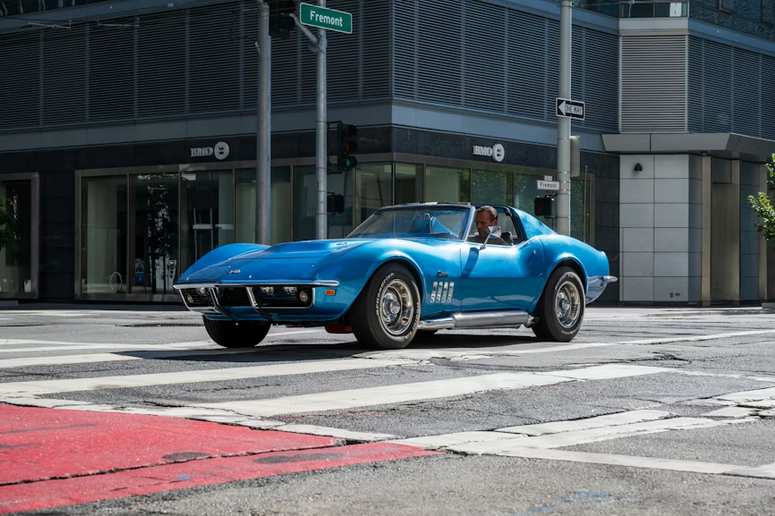
For those seeking the epitome of style, many vintage cars offered convertible options. The allure of cruising with the top down, wind in your hair, is an experience synonymous with vintage elegance. Paired with whitewall tires, these convertibles exuded a sense of sophistication and carefree luxury that defined the glamour of a bygone era.
Two-Tone Paint Schemes
Vintage cars often showcased two-tone paint schemes, a trend that added a visual dynamism to their exteriors. Whether it was a classic combination like black and white or a more adventurous pairing of pastel hues, these paint schemes were a nod to creativity and individuality. The carefully chosen color combinations contributed to the overall allure of each vintage ride.
Leather Upholstery
Luxurious leather upholstery is a staple of vintage car interiors. The aroma of aged leather, the supple feel of well-worn seats – these details elevate the driving experience into a sensory journey. The craftsmanship and quality of vintage car interiors, often hand-stitched and meticulously designed, are testaments to an era where elegance extended beyond the exterior.
Behind the wheel of a vintage car, every journey becomes a celebration of design mastery and automotive artistry. The stylish features of these timeless vehicles are not just relics of the past. They are enduring symbols of an age when cars were crafted with a blend of ingenuity and aesthetic sensibility. As we explore the stylish features of vintage cars, we are reminded that elegance, once built into the very framework of these classics, continues to echo through time, inviting enthusiasts to savor the beauty of each ride down memory lane.…

- Auto
- November 16, 2023
- 563 views
Reviving the Glory: Navigating the Challenges of Owning a Classic Car
Are you a lover of all things vintage with a passion for the open road and the timeless beauty of classic cars? If so, you’ve come to the right place. In this post, we will dive headfirst into the exhilarating world of owning and reviving a classic car. From navigating the challenges that come with maintaining these automotive legends to unleashing their full glory on the streets, get ready to embark on an unforgettable journey filled with nostalgia, dedication, and countless thrilling adventures.
Parts Availability and Cost
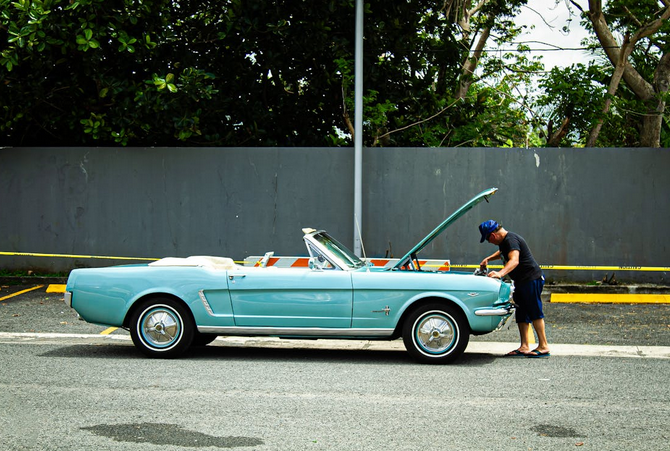
One of the primary challenges of owning a classic car is the availability and cost of replacement parts. Unlike modern vehicles, many classic cars have been out of production for decades, making original parts rare and sometimes difficult to find. When parts are available, their cost can be considerably higher than those for contemporary vehicles. Owners may need to scour salvage yards, attend swap meets, or rely on specialized suppliers to find the necessary components. This challenge requires a combination of resourcefulness and financial planning to keep a classic car in optimal condition. So before you buy a classic vehicle from Beverly Hills Car Club car dealership or any other classic car dealer, make sure you research the available parts and their cost.
Maintenance and Repairs Expertise
Classic cars often feature mechanical systems and technologies that are outdated by today’s standards. Finding qualified mechanics with the expertise to repair and maintain these vintage vehicles can be a significant challenge. Many modern technicians are not familiar with the intricacies of carburetors, points ignition systems, or drum brakes, which are common features in classic cars. Owners may need to seek out specialty shops or mechanics who specialize in vintage automobiles. This can result in longer waiting times for repairs and potentially higher maintenance costs due to the specialized skill set required.
Limited Daily Usability

Classic cars are a piece of automotive history, and while they offer a unique driving experience, they often come with limitations in terms of daily usability. Features that are now standard in modern cars, like power steering, air conditioning, and advanced safety features, may be absent in classic cars. The lack of conveniences and safety enhancements can make daily commuting or long-distance travel less comfortable and practical. Classic cars are best enjoyed as weekend cruisers or for special occasions, emphasizing their role as cherished collectibles rather than practical daily drivers.
Depreciation Concerns
Unlike some modern cars that can retain their value well, classic cars are subject to a different set of market dynamics. While some classic cars appreciate over time, many others may experience depreciation, especially if they require extensive restoration or customization. The market for classic cars can be unpredictable, influenced by factors such as trends, demand, and the availability of specific models. Owners need to be mindful of the financial investment they make and the potential for fluctuations in the market value of their classic vehicle.
Environmental Impact and Regulations

Classic cars often have less fuel efficiency and higher emissions compared to their modern counterparts. As environmental awareness and regulations evolve, classic car owners may face challenges in complying with emissions standards and other environmental regulations. In regions with strict emissions requirements, owning and driving a classic car may be subject to restrictions. Some areas have implemented emission testing for older vehicles, and modifications may be necessary to meet compliance standards, adding an extra layer of complexity to classic car ownership.
Owning a classic car is undoubtedly a passion-filled journey that connects enthusiasts with automotive history and craftsmanship. However, it’s essential to acknowledge the challenges that come with preserving and enjoying these vintage gems. From parts availability and maintenance expertise to daily usability concerns and the potential for depreciation, classic car owners must navigate a unique set of hurdles.…

- Auto
- March 15, 2023
- 28572 views
Killer Mazda MX-5 Miata Mods and Upgrades That Will Make Yours the Road King
Being die-hard car enthusiasts, our hearts always feel never enough with what we’ve got. There is no issue if you think some cars are better than others. In fact, if you happen to have the same car like me, a Mazda MX-5 Miata, the chance is you’re being greedy and want another much cooler, more expensive car, like a Toyota Supra or the latest Lamborghini. Alas, that’s not the case most of us can afford. But you know what? You can still make your Mazda MX-5 Miata look and perform like one of those expensive cars at a fraction of the price. All you’ve got to do is to make some modifications that will surely transform your ‘meh’ car into a ‘wow’ car. Let’s get the list started.
Cold Air Intake System
From the outside, upgrading the air intake system may not seem like a big deal. But trust me. It will give your car an extra push and improve its performance in no time. A cold air intake system can provide more airflow than the stock air box, thus creating a better combination of fuel and air for optimal power output. This one is easy to install too, and won’t cost an arm and a leg. After all, you can’t go wrong with extra power.
High-Performance Spark Plugs
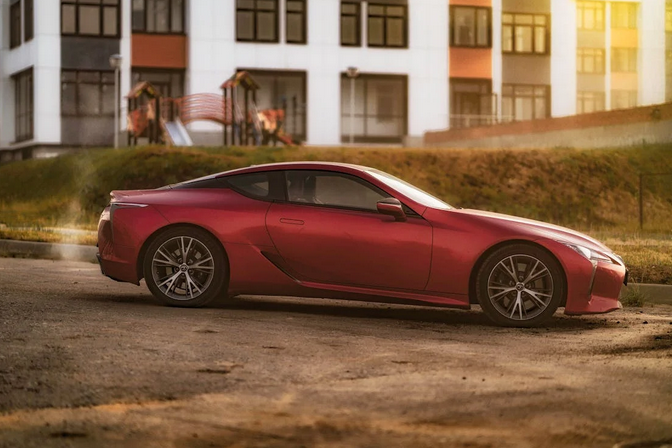
A high-performance spark plug is also another inexpensive upgrade that can improve the performance of your Mazda MX-5 Miata. By replacing the stock spark plugs with some higher-quality ones, you’ll be able to take advantage of improved combustion, which will result in more power and better acceleration. Also, higher-quality spark plugs can help you get the most out of your car’s fuel economy.
High-Performance Exhaust System
Never forget the needs for speed we all share in common: a high-performance exhaust system. A good exhaust system will help you get the most out of your engine, as it allows more air to freely move out of the cylinder head. This translates into better acceleration and more power. Plus, it’ll give your car that signature sports car sound. So don’t forget to upgrade your car’s exhaust system too.
Aero Kit
Finally, an aero kit can be the icing on top of your Mazda MX-5 Miata cake. It not only makes your car look better and more aggressive, but it also helps it become more aerodynamic too. With improved aerodynamics come reduced drag and added speed. Just ensure you get a kit from a trusted manufacturer, and you’re ready. What’s more, you can also find aftermarket accessories for your kit that will give your car an even better look.
So there you have it — five killer Mazda MX-5 Miata mods and upgrades that will take your car’s performance and looks to the next level. Your Mazda MX-5 Miata is such a great car, so don’t be afraid to tinker around and make it even greater. Now head to your mechanic and gear up. Get those parts, and make your Mazda MX-5 Miata the road king.…
- Auto
- February 25, 2023
- 544 views
Common Pitfalls and Mistakes Made When Selling an Old Car
Selling an old car sounds simple. Put up a listing, wait for a buyer, take the cash, or even consider a cash for cars company, and move on. In reality, many sellers trip over avoidable mistakes that cost time and money. Emotions get involved. Assumptions creep in. Small oversights turn into big regrets. If you want a smooth deal, you need to spot the common pitfalls early.
Overpricing Based on Sentiment
The first mistake is pricing the car based on memories instead of market data. You remember road trips, late-night drives, and that one time it saved you in a storm. Buyers do not care about those stories. They care about mileage, condition, and comparable listings in your area. If you set the price too high, your listing will sit there collecting digital dust. Weeks pass, inquiries slow down, and you eventually slash the price anyway. Start with research, not nostalgia, and you will avoid chasing the market downward.
Ignoring Minor Repairs and Presentation
 Some sellers believe they should not spend another peso on an old vehicle. That logic often backfires. A cracked tail light or worn wipers signal neglect to buyers. They begin to wonder what bigger issues are hiding under the hood. A simple wash, interior vacuum, and basic fixes can change the tone of every viewing. First impressions matter more than you think. A tidy car suggests it has been treated well, and that perception can protect your asking price.
Failing to Prepare the Paperwork
Paperwork problems can stall a deal faster than a flat tire. Missing registration documents or an unsigned title create doubt. Buyers may walk away if ownership is unclear. In places like the Philippines, processing records with the Land Transportation Office requires accuracy and patience. If penalties or unpaid fees surface at the last minute, negotiations can collapse. Prepare every document before listing the car. A clean paper trail builds confidence and speeds up the transaction.
Poor Communication with Potential Buyers
Another common error is weak communication. Some sellers reply late or give vague answers about the vehicle’s condition. Others hide flaws, hoping buyers will not notice. Trust evaporates quickly when a scratch or engine issue appears without warning. Be direct about defects and past repairs. Clear explanations save time for both sides. A buyer who feels respected is more likely to close the deal without drama.
Skipping Safe Payment Practices

Excitement can cloud judgment once someone agrees to buy. A seller may accept partial payments without written terms. Others release the car before confirming that funds have cleared. Fraud exists, even in what seems like a friendly neighborhood sale. Meet in a public place and verify the payment method carefully. Count cash twice, or confirm bank transfers through official channels. Protect yourself first, and celebrate later.
In the end, selling an old car is part strategy, part common sense. Price it based on facts, not feelings. Fix small issues before they grow into bargaining weapons. Prepare documents early and speak honestly with buyers. Guard your payment process like you would guard your wallet in a crowded market. Avoid these mistakes, and you will move from frustration to handshake faster than you expect.…
- Auto
- January 18, 2023
- 611 views
How to Maintain a Classic Car for Long-Term Preservation
A classic car is more than transport. It is memory on wheels. The smell of aged leather, the click of a solid door, the hum of an old engine—these details matter. Beverly Hills Car Club often tells collectors that preservation is what separates a showpiece from a rusting project. If you want that machine to outlive you, preservation must be intentional. Time is not gentle with metal and rubber. Neglect creeps in quietly. Long-term care is about steady habits, not heroic repairs.
Store It Like It Matters
Storage decides half the battle. A dry, well-ventilated garage beats a driveway every single time. Moisture invites rust, and rust spreads like gossip. Use a breathable car cover instead of plastic, which traps condensation and causes corrosion. Keep the fuel tank nearly full to reduce internal moisture, and add a stabilizer if the vehicle sits for months. Disconnect the battery or use a trickle charger so you are not greeted by silence when you turn the key.
Protect the Body and Interior
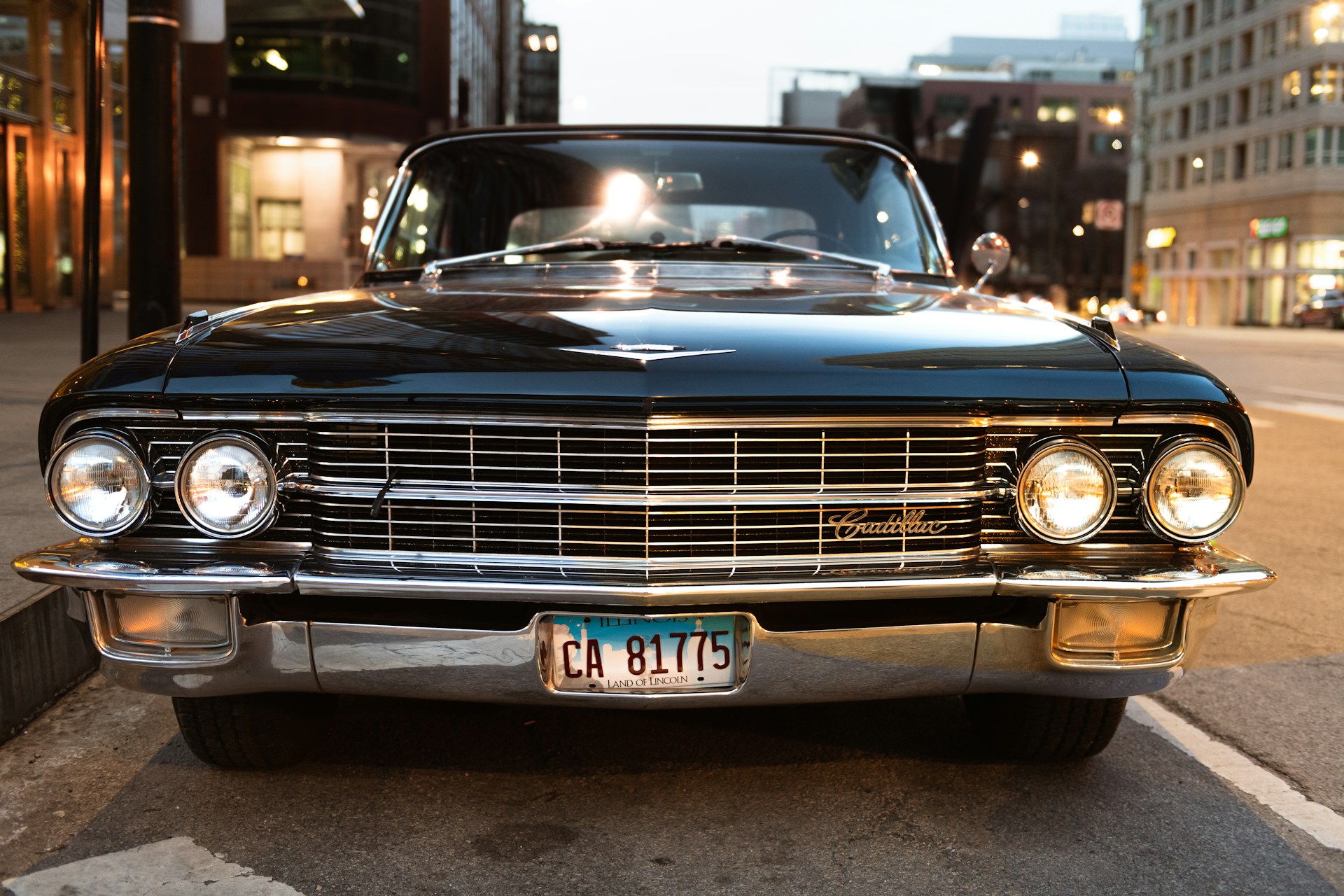
Paint and chrome demand regular attention. Wash the car by hand using mild soap, then dry it completely to avoid water spots. Apply wax several times a year to create a barrier against dirt and sunlight. Rubber seals around doors and windows should be treated with conditioner so they do not crack. Inside the cabin, vacuum often and clean leather with a proper conditioner to prevent stiff surfaces. Sunshades help keep dashboards from fading and splitting under harsh light.
Keep Mechanical Parts Alive
Engines dislike long naps. Start the car every couple of weeks and let it reach operating temperature. Better yet, take it for a short drive to circulate fluids through the transmission, brakes, and suspension. Change oil at least once a year, even if mileage is low, because contaminants still build up. Inspect belts, hoses, and gaskets for signs of drying or leaks. Old cars speak in subtle sounds, so listen closely and act early.
Maintain Documentation and Authenticity
Paperwork is part of preservation. Keep service records, restoration receipts, and old photographs in a safe place. These documents prove history and increase value. Avoid unnecessary modifications that stray from factory specifications unless safety demands it. Original parts, even worn ones, often carry more worth than flashy replacements. If upgrades are required, store the removed components so the vehicle can be returned to its prior form.
Classic car ownership feels romantic, but romance alone does not protect steel. Discipline does. A few steady habits beat grand gestures once a year. Treat the car like a living thing that needs exercise, shelter, and care. Talk to it if you want; many owners do. In return, it will reward you with that deep engine note and the grin that follows. Long-term preservation is simple: respect the machine, and it will respect you back.…
- Auto
- November 8, 2022
- 509 views
Own an EV? These Habits Can Kill Your Brand-New Car Battery Fast
Your shiny EV ride can suffer if you treat its battery like an indestructible superhero. Just like drivers hunting for free radio codes after swapping a 12V battery, EV owners often realize too late that small habits can trigger big headaches. Let’s talk about what quietly drains the life out of your EV’s most expensive component.
Charging to 100% Every Single Night
I get it. You want full power. Seeing 100% feels like winning. But lithium-ion batteries prefer moderation, like a good steak. Sometimes, it’s medium rare, not burnt to a crisp. Constantly charging to full puts stress on the cells. Over time, that stress chips away at long-term capacity. Most EV manufacturers recommend keeping the daily charge between 20% and 80% unless you’re heading on a road trip. Treat 100% like dessert. Nice sometimes. Not breakfast, lunch, and dinner. There’s also heat buildup during high-percentage charging. Heat is the silent villain here. Keep it cool, and your battery will thank you with years of strong range.
Letting It Sit at Low Charge for Days
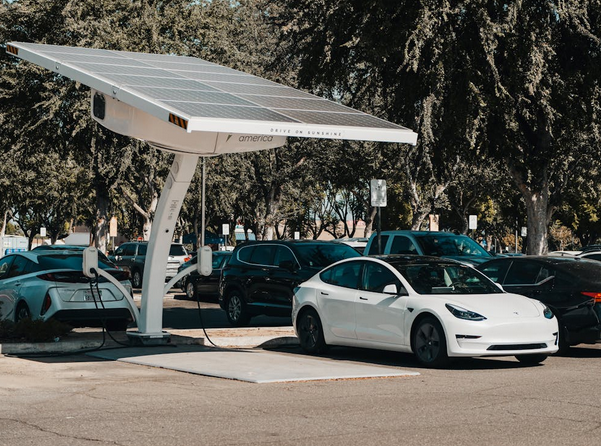
Picture this. You park your EV at 5% and leave it at the airport for a week. That’s like running a marathon and then refusing water. Batteries hate sitting near empty. Deep discharge stresses internal chemistry. It can even trigger protective shutdowns that require service intervention. That’s an awkward phone call you don’t want to make. Keep your vehicle parked with a moderate charge level. Around 50% is a sweet spot for storage. Also, don’t forget the smaller 12V battery. After replacing a car battery, there are specific steps to reset systems and protect electronics. Many drivers skip that part and pay later.
Ignoring Software Updates and System Checks
Your EV is basically a computer with wheels. Software updates often refine battery management systems. Skip them, and you might miss improvements that protect battery health. Manufacturers adjust charging curves and thermal controls through updates. Those tweaks matter. They optimize how energy flows and how heat is managed. After any battery replacement, including the auxiliary one, system recalibration matters. There’s a solid guide online explaining what to do after replacing a car battery, and it covers resets and electronic syncing steps that many overlook. Ignore those procedures, and you risk draining components or triggering warning lights.
Fast Charging Like It’s a Lifestyle
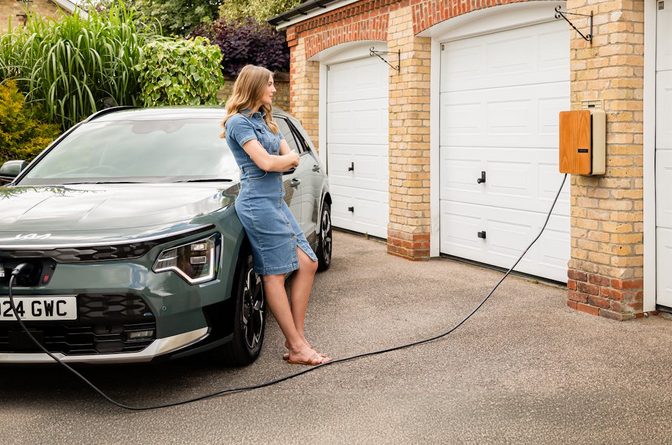
DC fast chargers are amazing. They’re also intense. Using them every day is like living on espresso shots. Exciting? Yes. Sustainable? Not really. Frequent rapid charging increases heat and accelerates wear. Occasional fast charging is fine for road trips. Daily reliance shortens long-term capacity. Mix in slower home charging when possible. Level 2 charging is gentler. Your battery prefers steady jazz over heavy metal at full blast. And park in the shade when charging outdoors. Heat plus high-speed charging is a brutal combo.
Extreme Temperatures and Lazy Parking Habits
Parking in blazing sun daily? Not ideal. Leaving the car in freezing conditions without preconditioning? Also rough. High temperatures accelerate chemical breakdown. Cold weather reduces efficiency and increases strain during charging. Both extremes chip away at longevity. Use preconditioning while plugged in. Let the car warm up or cool down before driving. It reduces stress on the pack. Garage parking helps. Even partial shade is better than open asphalt under a summer sun. Small choices compound over time.
An EV battery is tough. But it’s not invincible. Treat it smartly, skip the reckless habits, and your ride will stay punchy for years. Respect the battery, and it will return the favor every time you hit the pedal.…

- Auto
- September 24, 2022
- 571 views
Considerations When Making a Car Sale Website
Making a car sale website is not as simple as it seems. There are many things to consider when setting one up, from the design to the functionality. This article will discuss some critical factors you must consider when creating your car sale website. By taking these into account, you can create a user-friendly and effective site. Let’s get started.
Your Target Audience

When making a car sale website, you should consider your target audience. Who are you making the website for? Are you making it for people who are looking to buy cars? If so, what kind of information will they be looking for? Will they be looking for new or used cars? What type of budget do they have? By considering these questions, you can better gear your website towards your target audience. Most online car sellers are private sellers. This is because it is often easier and cheaper to sell a car online than to trade it in at a dealership. If you are a private seller, your target audience will be people who are looking for good deals on cars. You should ensure that your website includes plenty of pictures and detailed descriptions of the vehicles you sell. You should also have your contact information so potential buyers can easily contact you.
The Type of Cars You Will Be Selling
You should also consider the type of cars you will be selling. If you are only selling one type of car, then your website can be very specific. For example, if you only sell BMWs, your website can be called “BMW Car Sales.” However, if you sell multiple types of cars, your website needs to be more general. In this case, you might want to consider a name like “Car Sales.” Another thing to consider is the car price range you will sell. If you only sell high-end cars, then your website should reflect that. However, if you sell a mix of high-end and low-end vehicles, you will need to ensure that your website is accessible to a broader range of people.
How You Will Take Payments

You need your site to be a 먹튀검증사이트, which means you’ll need to take payments. The first step is to determine how you want to accept payments. You can either integrate with a third-party payment processor or use a gateway that uses your existing merchant account. Both advantages and disadvantages exist, so you’ll need to decide which is best for your business. Another consideration is what type of payments you’ll accept. Will you only take credit cards, or will you also accept PayPal? Again, both have advantages and disadvantages, so you’ll need to decide which is best for your business. You also need to consider how you will handle refunds and cancellations. You need to have a refund policy in place and make sure that it’s clear to your customers.
The Kind of Shipping Options You Will Offer
Since you will be dealing in physical goods, you must accommodate shipping. This means that you’ll need to find a shipping solution that can integrate with your website. There are many different shipping options available, so it’s essential to research and figure out which makes the most sense for your business. So there you have it, a few things to think about when creating or redesigning your car sale website. Keep in mind your customers’ needs and wants and what will make their experience with your site positive.…

- Auto
- September 5, 2022
- 552 views
5 Reasons Why Small Cars Are Great
Having a small car might be the best thing ever. In fact, there are five reasons why small cars are great. First of all, they’re affordable. Small cars are cheaper than larger ones, and you can usually find good deals on them. Second of all, they’re fuel efficient. Small cars get excellent gas mileage, which means you’ll save money on gas. Third of all, they’re easy to park. Parking can be a nightmare in big cities, but small cars make it much easier. Fourth of all, they’re eco-friendly. Small cars produce less CO2 emissions than larger cars do, so you can feel good about driving one. And finally, fifthly, they’re cute-sized. Here are the details:
They Get Great Gas Mileage
Another great thing about small cars is that they’re fuel efficient. Small cars like the Honda Fit get great gas mileage, which means you’ll save money on gas. In fact, you could save hundreds of dollars a year by driving a small car. And who doesn’t love saving money?
They’re Cheaper Than Larger Cars

In this economy, we’re all looking to save a few bucks. And one of the best ways to do that is by purchasing a small car. Small cars like a fiat 500 tend to be cheaper than their larger counterparts, and you can usually find good deals on them. So, if you’re looking to save some money, go with a small car.
They’re Easy to Park
If you live in a big city, then you know how difficult it can be to find a parking spot. But with a small car, you won’t have that problem. Small cars are easy to park, and you’ll be able to find a spot in no time. So, if you’re tired of searching for a parking spot, go with a small car.
They’re Eco-Friendly
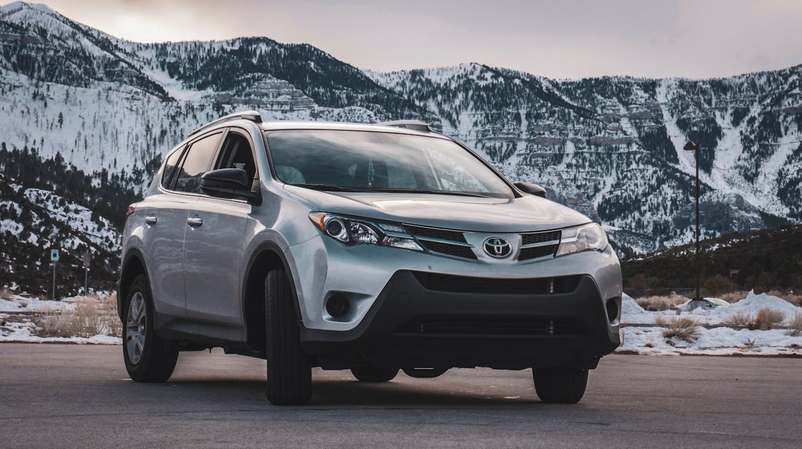
If you’re looking for an eco-friendly option, then a small car is the way to go. Small cars produce less CO² emissions than larger cars do, so you can feel good about driving one. Plus, you’ll be doing your part to help the environment.
They’re Cute-Sized
And last but not least, small cars are just plain cute. They’re the perfect size for city driving and always look good. So, if you’re looking for a good-looking car, go with a small one. So, there you have it, five reasons why small cars are great. If you’re in the market for a new car, be sure to consider a small one. You won’t regret it.
Happy driving.…

- Auto
- June 24, 2022
- 491 views
Ways Startups Can Save Money on Company Cars
Managing company cars can be a heavy drain on a startup’s finances. Every penny counts, and high vehicle costs can slow growth. However, there are clever ways to cut expenses without sacrificing mobility. Startups often overlook simple strategies that bring substantial savings, making these small business tips especially valuable. Car expenses go beyond just the sticker price; fuel, maintenance, and insurance all pile up. Being proactive can turn this cost into a manageable part of the budget.
Opt for Fuel-Efficient Vehicles
 Choosing the right vehicle is the first step to cutting costs. Fuel-efficient cars can save hundreds each month, especially if employees drive often. Electric or hybrid models are becoming more affordable and practical for city commutes. Even compact gasoline cars can outperform larger vehicles in long-term fuel consumption. Startups can lease these models to reduce upfront spending. Over time, the small savings add up to significant financial relief.
Embrace Car Sharing
Owning a fleet isn’t always necessary for a young business. Car sharing lets employees access vehicles only when needed. This reduces maintenance costs because fewer miles are driven overall. It also lowers the need for multiple parking spots and insurance policies. Apps and services that manage shared cars simplify scheduling and tracking. For startups, this method turns car use into a flexible, pay-as-you-go solution.
Prioritize Preventive Maintenance
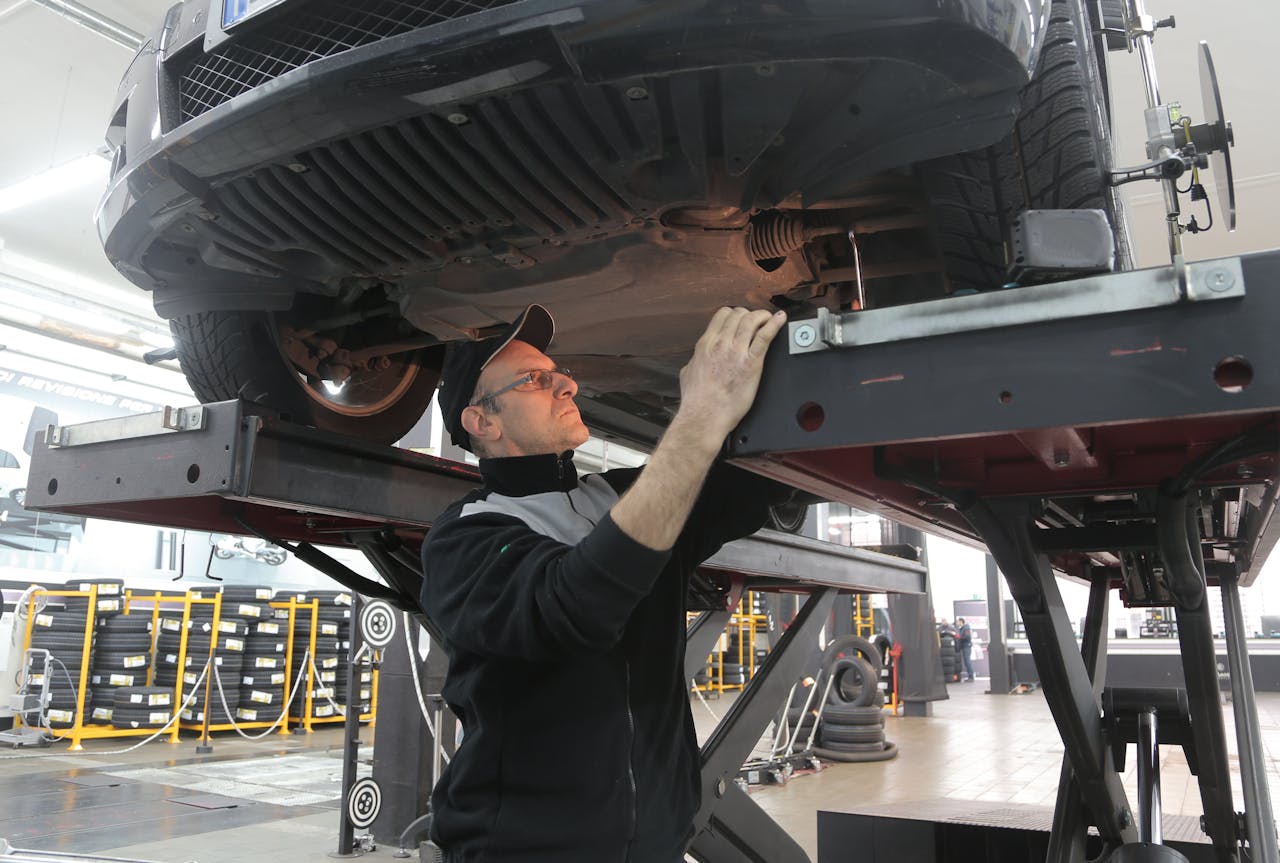
Ignoring routine maintenance is a fast track to expensive repairs. Simple actions like regular oil changes and tire checks keep cars running longer. Well-maintained vehicles are safer and more reliable, cutting downtime costs. Startups should track service schedules carefully to avoid surprises. Even a small investment in maintenance can prevent a large, unexpected bill. Over time, consistent care reduces the total cost of ownership significantly.
Consider Leasing Over Buying
 Leasing can be more budget-friendly than purchasing outright. Monthly payments are often lower, freeing up capital for other business needs. Leases also usually include warranty coverage, reducing repair expenses. Startups benefit from driving newer models without the long-term commitment of ownership. At the end of a lease, the company can switch vehicles to match evolving needs. This flexibility keeps transportation costs predictable and manageable.
Managing company cars doesn’t have to drain a startup’s resources. Careful vehicle selection, sharing strategies, preventive maintenance, and smart financing can all lower costs. Small choices in these areas accumulate into big savings over time. Startups that actively control car expenses can redirect funds toward growth and innovation. It’s about being smart with money without cutting essential mobility. In the end, frugality with vehicles can fuel both savings and business success.…

- Auto
- February 14, 2022
- 492 views
Are Alternative Fuels Actually Cheaper Than Gas?
Gas prices jump like they’re on a trampoline. One week you’re fine. Next week you’re staring at the pump in disbelief. That’s why conversations about alternative fuels keep popping up, especially on platforms like carsoid where drivers explore new power options. But here’s the real question. Are these fuels actually cheaper, or do they just sound futuristic and cool? Let’s cut through the hype. Numbers matter. Long term cost matters more. Grab your keys. Let’s roll. You’ll be glad you’ve landed on this post.
Hybrid Power
Hybrids blend gasoline with electric assistance. That combination reduces fuel consumption without eliminating gas entirely. Fuel economy improves noticeably, especially in city driving. Stop and go traffic becomes less painful for your wallet. Purchase prices usually sit between traditional cars and full electric models. That balance attracts many buyers. Maintenance costs can be slightly higher than standard gas vehicles due to dual systems. But fuel savings often offset that difference. Hybrids work well for drivers not ready to commit fully to electric. They reduce fuel spending without drastic lifestyle changes.
Hydrogen and Biofuels
Hydrogen fuel cell vehicles sound futuristic. They emit water vapor instead of exhaust fumes. Refueling is quick compared to charging batteries. But hydrogen stations are limited in many regions. That scarcity affects practicality. Cost per mile varies depending on supply and incentives. Biofuels, including ethanol blends, can sometimes be cheaper than regular gasoline. Availability depends heavily on local infrastructure. But, not all vehicles handle high ethanol blends without modification. These options are promising but not universally practical yet. Availability shapes affordability.
Electricity
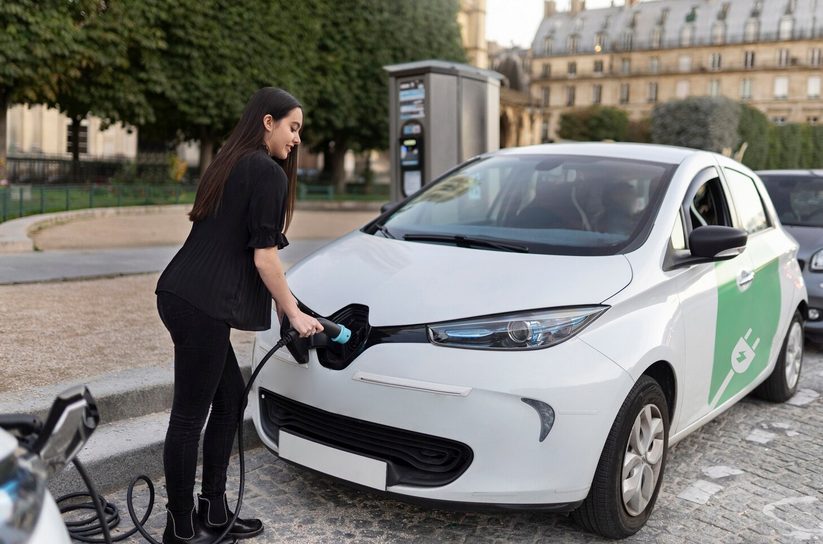
Electric vehicles often cost less per mile to power. Charging at home can be significantly cheaper than filling a gas tank. Electricity rates are generally more stable than fuel prices. Maintenance is also simpler. Fewer moving parts mean fewer oil changes and fewer mechanical headaches. That can reduce service expenses over time. However, the upfront purchase price of electric cars is often higher. Battery replacement, while rare early on, can be expensive. Charging infrastructure matters too. Public fast chargers sometimes cost more than home charging. Location affects savings. So yes, electricity can be cheaper per mile.
Hidden Costs You Should Not Ignore
Fuel price alone doesn’t tell the full story. Insurance premiums may differ by vehicle type. Electric models sometimes carry higher rates. Resale value matters too. Some electric cars hold value well. Others depreciate quickly. Battery lifespan influences long term savings. Most modern batteries last years, but replacement costs are real. Government incentives can reduce upfront price. Tax credits or rebates change the math significantly. Calculate total ownership cost. Fuel savings look attractive, but purchase price, maintenance, and depreciation complete the picture.
Are alternative fuels cheaper than gas? Often, yes per mile. Always? No. Electric vehicles shine for daily commuters with home charging. Hybrids offer balanced savings without lifestyle overhaul. Hydrogen and biofuels remain situational. Infrastructure determines practicality. Think beyond the pump. Consider how long you plan to own the car. Factor in incentives and maintenance. Driving costs are not just about today’s price per gallon. They’re about long term planning. Choose what fits your budget, your habits, and your local infrastructure. Because smart driving starts before you even start the engine.…
- Auto
- July 20, 2021
- 409 views
How to Maintain Your Car After Applying Spray Ceramic Coating
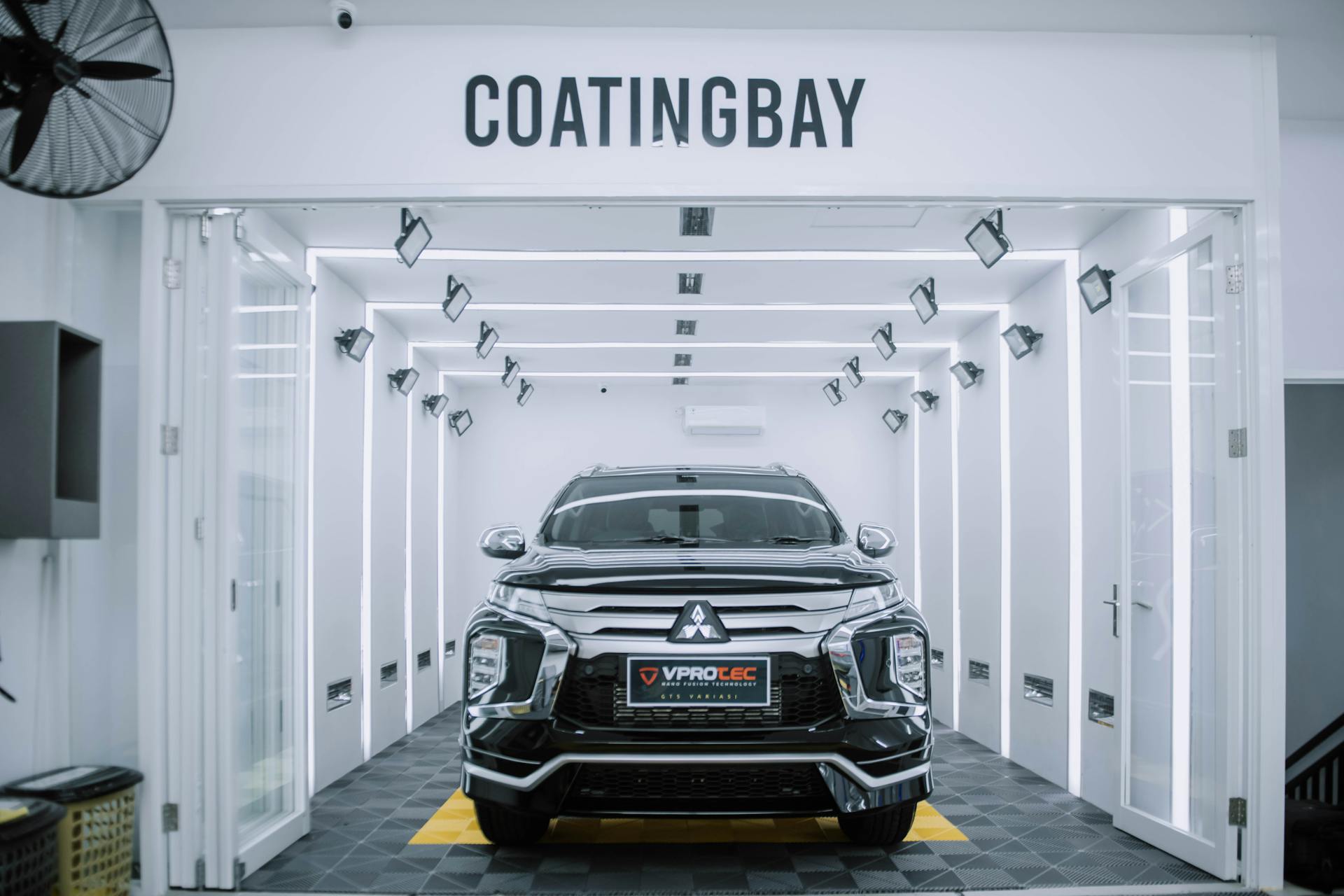
Applying a ceramic coating can dramatically enhance your car’s shine and paint protection, but proper maintenance is essential to preserve those benefits. Many drivers assume the job is done once the coating is applied, yet ongoing care is essential to maintaining durability and gloss. After investing in spray ceramic coating, adopting the right washing techniques and avoiding harsh chemicals will help protect the hydrophobic layer and extend its lifespan. Regular gentle cleaning and mindful drying prevent swirl marks and contamination buildup. In this article, we explore practical steps to maintain your vehicle after ceramic coating, ensuring long-lasting protection and a showroom-quality finish.
Allow Proper Curing Time

After applying spray ceramic coating, the curing period is critical. During this stage, the protective layer bonds to the paint surface and hardens into a durable shield. Exposing the vehicle to water, rain, or heavy contamination too soon can interfere with this bonding process. It is important to keep the car dry and avoid washing it for the recommended period specified by the product manufacturer. Parking in a covered area reduces exposure to environmental elements. Respecting the curing timeline ensures the coating achieves optimal durability and effectiveness.
Adopt Safe Washing Techniques
Once the coating has fully cured, routine washing becomes the primary maintenance method. Although ceramic coating resists dirt and water spots, contaminants can still accumulate over time. Using a gentle car shampoo free of harsh chemicals preserves the integrity of the coating. Hand washing with a soft microfiber mitt reduces the risk of swirl marks and scratches. Avoid automatic car washes that use abrasive brushes, as these can degrade the coating’s protective layer. Consistent but careful cleaning maintains the hydrophobic properties and keeps the surface smooth.
Dry the Vehicle Properly
Proper drying is just as important as washing. Leaving water to air dry may result in mineral deposits that dull the finish. Using a clean microfiber drying towel helps remove excess water without damaging the surface. Blotting rather than dragging the towel across the paint further minimizes friction. This careful approach preserves both the ceramic layer and the underlying paint. Maintaining a streak-free finish enhances the coating’s visual appeal and prevents unnecessary wear.
Avoid Harsh Chemicals and Abrasives
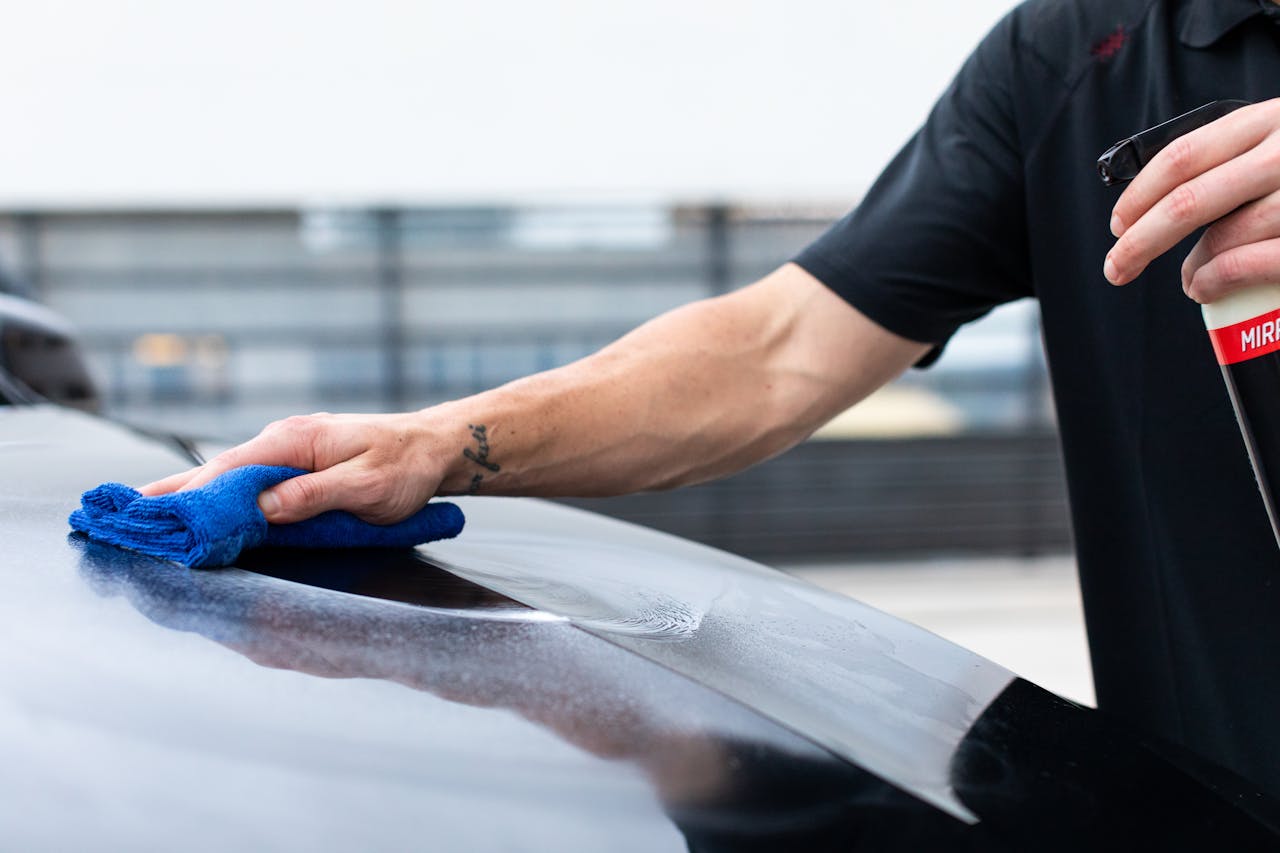
Ceramic coating offers resistance against contaminants, but it is not indestructible. Strong solvents, abrasive cleaners, and aggressive polishing compounds can compromise its protective qualities. When dealing with stubborn residues such as tar or bird droppings, use products designed for coated vehicles and address the issue promptly. Gentle spot cleaning protects the coating while preventing long-term staining. Being mindful of the products you use extends the lifespan of the spray ceramic layer and maintains consistent performance.
Schedule Periodic Inspections and Boosters
Over time, even high-quality spray ceramic coatings may experience gradual wear. Periodic inspection allows you to assess water beading performance and surface smoothness. Some manufacturers recommend applying maintenance sprays or booster products to refresh hydrophobic properties. Incorporating these steps into your maintenance routine helps sustain the protective barrier. Regular attention ensures the coating continues to shield your vehicle from environmental contaminants effectively.
Maintaining your car after applying spray ceramic coating involves adhering to the curing period, practicing safe washing practices, properly drying, avoiding harsh chemicals, and performing routine inspections. While the coating enhances protection and shine, consistent care is essential to preserve its performance. By following a structured maintenance routine, you can extend the life of the ceramic layer and keep your vehicle looking clean, glossy, and well-protected for years to come.…
- Auto
- February 23, 2021
- 487 views
Safety Advantages of At-Home Vehicle Repairs
Home vehicle repairs are becoming increasingly popular among car owners who value convenience and control. Beyond saving time and avoiding long waits at repair shops, at-home maintenance can also offer important safety advantages when done correctly. By working in a familiar environment, drivers can carefully assess issues without the pressure of rushed service appointments. Insights shared by platforms like The Global Dispatch often highlight how proper preparation, the right tools, and attention to detail reduce the risk of mistakes. When approached responsibly, at-home repairs can improve awareness of your vehicle’s condition. This article explores the key safety benefits and considerations of performing vehicle repairs at home.
Greater Control Over the Work Environment
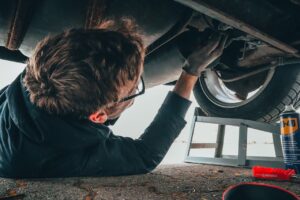 One significant safety advantage of at-home repairs is control over the working environment. In a personal garage or driveway, you determine lighting conditions, workspace organization, and tool placement. Adequate lighting helps prevent mistakes, especially when dealing with complex components such as brake systems or electrical connections. Organizing tools within reach reduces the risk of tripping or improper handling. Unlike crowded repair shops where multiple vehicles are being serviced simultaneously, a home setting limits distractions and promotes focus.
Reduced Exposure to External Hazards
Commercial auto workshops often involve heavy machinery, moving vehicles, and high traffic within tight spaces. At home, you avoid the hazards associated with shared industrial environments. There is less risk of accidental contact with other vehicles, lifting equipment, or unfamiliar tools. You can also schedule repairs during calm weather conditions, minimizing exposure to rain or extreme heat. This controlled timing contributes to the safer execution of tasks that require concentration and precision.
Improved Attention to Detail
Working on your own vehicle encourages heightened attention to detail. When owners personally handle maintenance tasks, they are often more cautious and methodical. This careful approach can lead to better inspection of components such as tires, suspension parts, or fluid levels. Identifying small issues early reduces the likelihood of mechanical failures that could pose safety risks on the road. By closely examining each part during routine servicing, drivers enhance overall vehicle reliability and reduce potential hazards during daily driving.
Flexible Scheduling for Safe Repairs
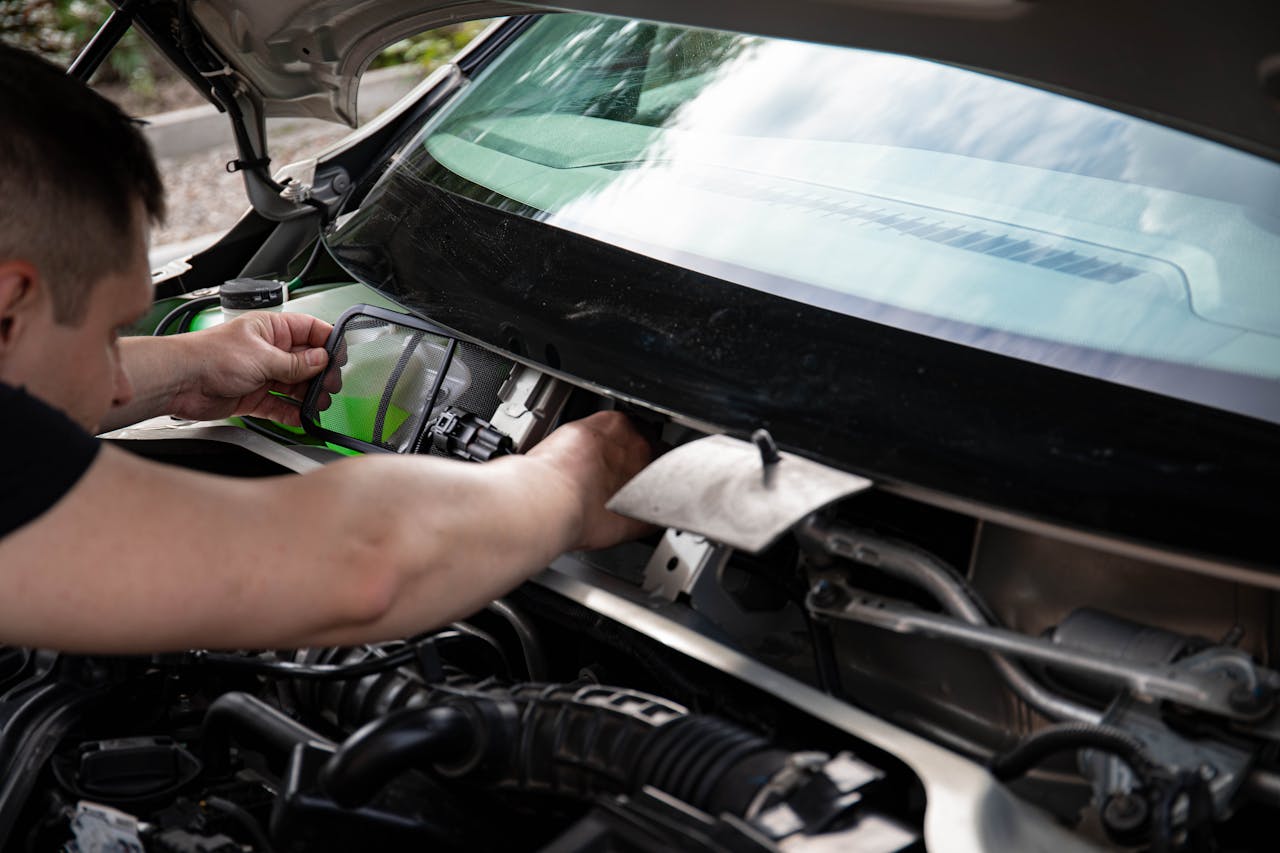
At-home repairs provide flexibility in scheduling, which can improve safety outcomes. Instead of rushing to complete work before a shop closes or waiting for an available appointment, you can allocate sufficient time for each task. Taking breaks when needed reduces fatigue, which is a common contributor to mistakes. Completing repairs without time pressure allows for double-checking connections, torque specifications, and fluid levels. This deliberate pace supports safer results and lowers the risk of overlooked errors.
Encouraging Preventive Maintenance Habits
Performing basic home repairs often fosters a proactive maintenance mindset. When drivers become familiar with their vehicle’s components, they are more likely to perform regular inspections. Checking brakes, belts, filters, and fluids routinely helps prevent sudden breakdowns that may occur in unsafe driving conditions. Preventive attention strengthens overall vehicle performance and contributes to safer journeys. The awareness gained from hands-on experience empowers drivers to respond quickly to unusual sounds or warning signs before they escalate into serious issues.
Safety advantages of at-home vehicle repairs include greater control over the workspace, reduced exposure to external hazards, improved attention to detail, flexible scheduling, and stronger preventive maintenance habits. While complex repairs should always be handled by qualified professionals, responsible at-home servicing can enhance both personal safety and vehicle reliability. By approaching each task carefully and methodically, car owners can create a safer maintenance routine that supports long-term driving confidence.…
- Auto
- December 17, 2020
- 389 views
How Often Should You Service Your Car? A Practical Guide
Car servicing is one of the most important responsibilities of vehicle ownership. Yet many drivers remain unsure about timing. Some rely strictly on mileage. Others wait for warning lights. Both approaches can create problems. Modern vehicles are built with advanced engineering and monitoring systems. Kelly’s Thoughts on Things often highlights how routine care makes a measurable difference in long-term performance. However, they still require routine attention. Servicing protects performance, safety, and resale value. Understanding how often to service your car depends on several practical factors, not guesswork.
Manufacturer Recommendations as a Starting Point
Every vehicle comes with a manufacturer’s service schedule. Common intervals include every 10,000 to 15,000 kilometers or every six to twelve months. These recommendations are based on testing and long-term durability studies. They provide a reliable baseline. Following them helps ensure warranty compliance and stable performance. However, manufacturer guidelines assume average driving conditions. Not all drivers operate under average circumstances. Adjustments may be necessary depending on usage patterns.
The Impact of Driving Habits
 How you drive influences service frequency. Short trips, heavy traffic, and frequent stop-and-go conditions place additional stress on engines and braking systems. City driving often requires more attention than highway cruising. Aggressive acceleration and hard braking increase wear. Towing or carrying heavy loads also adds strain. Vehicles used in demanding conditions may require more frequent oil changes and inspections. Understanding your driving habits enables you to realistically adapt maintenance schedules. Ignoring these can shorten component lifespan.
Time-Based vs Mileage-Based Servicing
Many drivers focus only on mileage. While distance traveled is important, time also matters. Fluids degrade even when a car is not driven regularly. Oil loses effectiveness. Brake fluid absorbs moisture. Coolant properties change over time. A vehicle driven infrequently still requires periodic checks. If you drive very little, annual servicing remains advisable. This ensures fluids remain in good condition and minor issues are detected early. Balancing mileage and time intervals creates a practical maintenance rhythm.
Modern Service Indicators and Warning Systems
Most contemporary vehicles include service reminder systems. These indicators monitor driving patterns and engine conditions. When maintenance is due, alerts appear on the dashboard. While these systems provide helpful guidance, they should not replace awareness. Warning lights often indicate that service is already overdue or that a problem has developed. Regular visual inspections support preventative care. Checking tire condition, fluid levels, and unusual sounds can prevent larger issues. Technology enhances maintenance planning, but it does not eliminate responsibility.
Essential Components That Require Regular Attention
Routine service typically includes oil and filter changes, brake inspections, and fluid checks. These tasks form the foundation of vehicle health. Air filters protect engine performance. Worn spark plugs reduce fuel efficiency. Tire rotation promotes even wear. Battery condition affects reliability. Each component has its own lifespan. Some require replacement every service. Others follow longer cycles. Keeping detailed service records helps track these intervals accurately. Organized documentation supports long-term planning and resale value.
Seasonal and Environmental Considerations
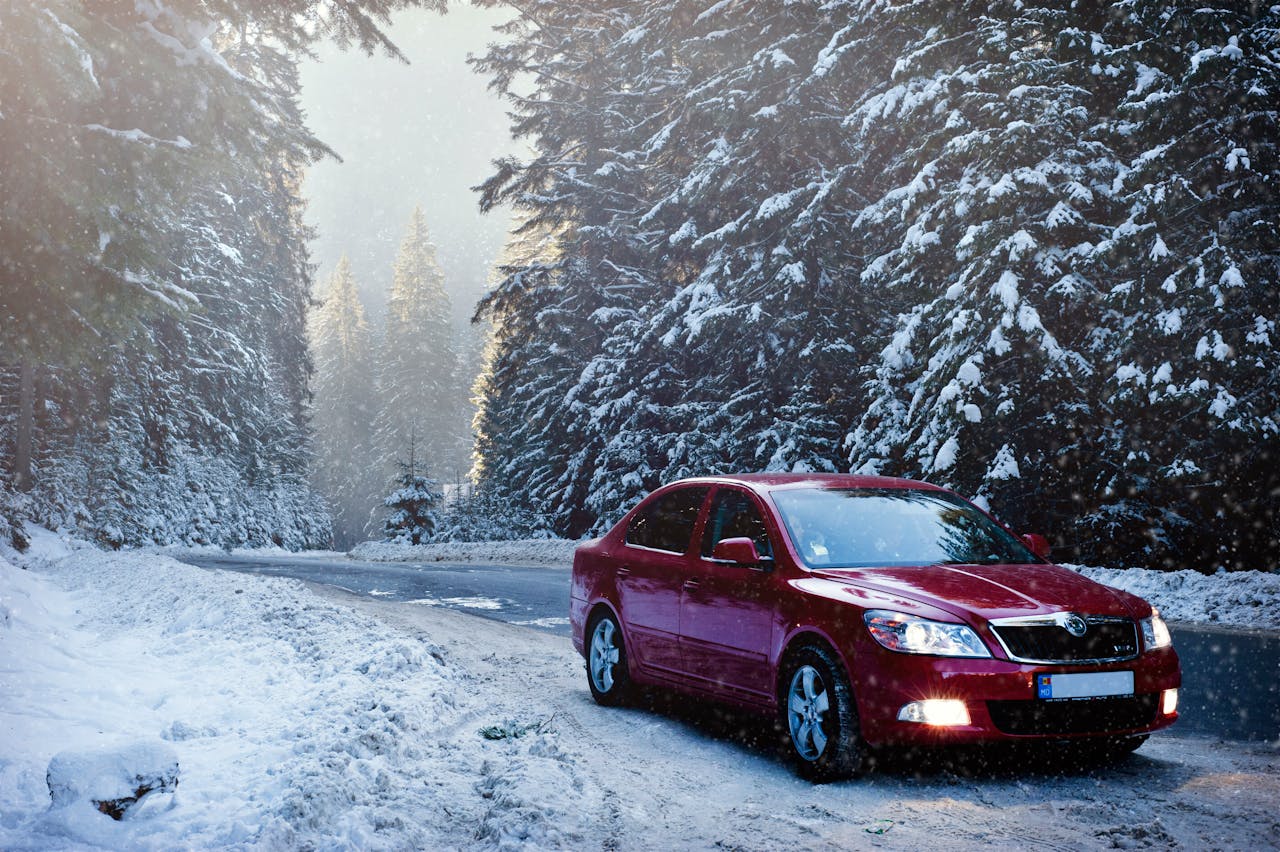
Climate affects servicing needs. Extreme heat can accelerate fluid breakdown. Cold weather stresses batteries and cooling systems. Dusty environments clog air filters more quickly. Coastal regions may expose vehicles to salt, increasing corrosion risk. Seasonal inspections help address these variables. Preparing for winter or summer driving reduces unexpected breakdowns. Adapting service frequency to environmental conditions ensures consistent reliability.
Cost of Delayed Maintenance
Postponing service may seem cost-effective in the short term. However, minor issues often escalate. Old oil increases engine wear. Worn brake pads damage rotors. Neglect can lead to larger repairs. These repairs cost significantly more than routine servicing. Regular maintenance protects against sudden financial strain. Well-maintained vehicles also retain stronger resale value. Buyers look for documented service history. Consistent care demonstrates responsible ownership. Preventive attention remains more economical than reactive repair.
So, how often should you service your car? Start with the manufacturer’s schedule. Adjust based on driving habits, environmental conditions, and time intervals. Pay attention to warning indicators, but do not rely solely on them. Regular servicing protects performance and safety. It supports fuel efficiency and extends component lifespan. Most drivers benefit from servicing every six to twelve months, even if mileage remains low. Maintenance is not merely a technical requirement. It is a practical investment in reliability. By following a structured service routine, you ensure that your vehicle continues to operate smoothly and safely for years to come.…
- Auto
- December 6, 2020
- 497 views
What You Need to Know Before Renting a Car in the UAE
Renting a car in the UAE offers flexibility and convenience. The country has modern highways, clear road signage, and well-maintained infrastructure. Whether visiting for tourism or business, many travelers prefer driving over relying on taxis or public transport. For many visitors, hiring a car in UAE becomes the most practical way to explore different emirates at their own pace. However, renting a car in the UAE involves more than choosing a vehicle. There are legal requirements, insurance details, toll systems, and financial considerations to understand. Being informed before signing a contract helps avoid unexpected costs and complications.
Required Documents and Eligibility

Before renting a car, confirm that you meet the eligibility criteria. Most rental companies require drivers to be at least 21 years old. Some premium or luxury vehicles may require a minimum age of 25. Tourists must present a valid passport, a visa, and a driving license. Depending on nationality, an International Driving Permit may also be required. Residents must provide a valid UAE driving license and Emirates ID. Always verify document requirements with the rental company in advance. Regulations may vary slightly between providers.
Insurance Coverage
Insurance is one of the most important aspects of renting a car. Basic insurance coverage is usually included in the rental price. This typically covers third-party liability. However, basic coverage may not include damage to the rental vehicle itself. Many companies offer additional insurance options such as collision damage waivers or full coverage plans. Before accepting or declining extra insurance, review what is already included. Clarify deductibles and exclusions. This step helps ensure that you understand financial responsibility in case of an accident. Choosing the right coverage protects both peace of mind and budget.
Security Deposits and Payment Policies

Rental companies in the UAE commonly require a security deposit. This amount is held on a credit card and released after the rental period ends, provided there are no fines or damages. Deposit amounts vary depending on vehicle type. Luxury or high-performance cars typically require higher deposits. It is important to understand the release timeline. Refunds may take several weeks, especially if traffic fines are pending. Clarify payment terms before confirming your booking. Transparency reduces misunderstandings later.
Traffic Rules and Road Systems
Driving in the UAE is generally straightforward, but traffic laws are strictly enforced. Speed cameras are common. Fines can be significant. The country uses a toll system known as Salik in certain emirates, particularly Dubai. Tolls are charged electronically when passing through designated gates. Rental companies usually bill these charges after the rental period. Always follow speed limits and traffic signals carefully. Road conditions are excellent, yet high-speed highways require attention. Understanding the legal framework ensures a smooth driving experience.
Vehicle Inspection and Condition Checks

Before leaving the rental location, inspect the vehicle carefully. Document any existing scratches, dents, or interior damage. Take photos if necessary. Check fuel levels and confirm the agreed fuel policy. Many companies operate on a full-to-full basis, meaning the car must be returned with the same fuel level. Verify that essential items such as a spare tire, jack, and emergency equipment are present. Thorough inspection protects you from being held responsible for pre-existing damage.
The Right Vehicle
The UAE offers a wide selection of rental vehicles. Compact cars suit city driving and reduce fuel expenses. SUVs provide more space and comfort, especially for families. Luxury vehicles are popular in cities like Dubai. However, they often come with higher deposits and insurance costs. Consider your travel needs and budget. Long highway drives may require comfort and fuel efficiency. Urban trips may favor smaller models. Selecting the appropriate vehicle enhances convenience and cost management.
Fuel, Fines, and Additional Charges
Fuel prices in the UAE are relatively affordable compared to many countries. Still, returning the vehicle with insufficient fuel can result in service charges. Traffic fines incurred during the rental period are typically charged to the renter. These may include speeding violations or parking penalties. Additional fees may apply for late returns, extra mileage, or adding another driver. Read the rental agreement carefully to understand all potential charges. Clear communication with the rental company prevents surprises.
Renting a car in the UAE can greatly enhance your travel experience. The country’s infrastructure supports safe and efficient driving. However, preparation is essential. Ensure that you meet document requirements and understand insurance terms. Review security deposit …

- Auto
- October 24, 2020
- 461 views
Auto Accessories That Solve Everyday Driving Annoyances
Driving is something most of us do every single day, whether it’s commuting to work, running errands, or heading out on a weekend road trip. While modern vehicles are more advanced than ever, small annoyances still pop up and test our patience. From cluttered interiors to dead batteries at the worst possible time, these little inconveniences can add unnecessary stress to an otherwise simple drive. The good news is that there are smart, affordable auto accessories designed specifically to tackle these everyday problems. Here are some practical upgrades that can make your time behind the wheel a lot more enjoyable.
Portable Battery Chargers for Unexpected Breakdowns
Few things are more frustrating than turning the key (or pressing the start button) and hearing nothing but a weak click. A dead battery can ruin your schedule in seconds. That’s why portable jump starters and battery maintainers have become such popular additions to modern vehicles. Many drivers agree that car batteries chargers are one of the most important car accesories because they provide peace of mind when you’re far from home or stuck in a parking lot. Compact and easy to store in your trunk, these chargers can quickly bring your battery back to life without needing another vehicle. Some models even double as power banks for your phone or tablet, adding extra convenience during emergencies.
Phone Mounts for Safer Navigation

Relying on navigation apps has become second nature, but holding your phone or glancing down at the passenger seat isn’t safe. A sturdy dashboard or windshield phone mount keeps your device at eye level so you can follow directions without taking your attention off the road. Adjustable mounts allow you to position your phone exactly where it’s most comfortable, and many options are designed to fit almost any vehicle interior. By keeping your hands on the wheel and your focus forward, a simple phone mount can make daily commuting safer and less stressful.
Seat Gap Fillers to Stop the “Black Hole” Effect
We’ve all experienced it: your phone, keys, or loose change slips between the seat and the center console, disappearing into what feels like a bottomless pit. Seat gap fillers are inexpensive accessories that block the narrow space and prevent items from falling through. They blend seamlessly with your car’s interior and save you from awkwardly fishing around while parked. It’s a small fix, but one that eliminates a surprisingly common annoyance.
Trunk Organizers for a Clutter-Free Ride
A messy trunk can quickly turn into a chaotic storage space filled with rolling grocery bags, sports gear, and emergency supplies. Trunk organizers help keep everything in its place with compartments and dividers that prevent items from shifting during sharp turns or sudden stops. Whether you drive a compact sedan or a large SUV, there are collapsible and adjustable options to fit your needs. An organized trunk not only looks better but also makes it easier to find what you need when you need it.
Blind Spot Mirrors for Better Visibility

Changing lanes on a busy highway can feel nerve-wracking, especially if your vehicle has significant blind spots. Small, stick-on blind spot mirrors attach to your existing side mirrors and expand your field of vision. They provide a wider-angle view of adjacent lanes, helping you spot vehicles that might otherwise go unnoticed. Installation takes only minutes, but the added confidence and safety can make a big difference during daily drives.
All-Weather Floor Mats for Easy Cleanup
Mud, rain, snow, and spilled coffee can quickly turn your car’s interior into a mess. All-weather floor mats are designed to trap dirt and moisture, protecting your original carpeting from stains and wear. They’re easy to remove and rinse off, which makes cleaning your car much less of a chore. For anyone living in areas with unpredictable weather, durable floor mats are a simple yet effective upgrade.
Every day driving doesn’t have to be filled with minor frustrations. With the right auto accessories, you can prevent common problems before they happen and create a more comfortable, organized, and safer driving experience. From portable battery chargers that save you during emergencies to practical interior solutions that keep clutter under control, these small investments can have a big impact. By choosing accessories that match your driving habits and lifestyle, you’ll spend less time dealing with annoyances and more time enjoying the road ahead.…
- Auto
- October 17, 2020
- 472 views
How to Make Any Car Last 300,000 Mile
Most people assume that once a car hits 100,000 miles, it’s living on borrowed time. In reality, modern vehicles are built to go much farther—if they’re taken care of properly. Reaching 300,000 miles isn’t just for rare “unicorn” cars or lucky owners. It’s usually the result of consistent maintenance, smart driving habits, and paying attention to small issues before they turn into major repairs. If you’re hoping to avoid a car payment for as long as possible, here’s how you can dramatically extend the life of your vehicle.
Stay Consistent With Routine Maintenance
If there’s one golden rule for high-mileage vehicles, it’s consistency. Regular oil changes, fluid checks, and filter replacements keep your engine running clean and properly lubricated. Drivers who prioritize routine service tend to enjoy longer lasting cars because they prevent premature wear on critical components. Skipping oil changes or ignoring factory maintenance schedules might save money in the short term, but it often leads to expensive engine damage later. Following your owner’s manual and sticking to a service calendar is one of the simplest ways to push toward 300,000 miles.
Don’t Ignore Small Problems
Strange noises, warning lights, or minor leaks might seem harmless at first. However, small problems often grow into major mechanical failures if left unaddressed. A squealing belt could eventually snap. A tiny coolant leak could lead to overheating. When you notice something unusual, get it inspected sooner rather than later. Fixing issues early typically costs far less than waiting for a breakdown. Being proactive instead of reactive is a key habit among drivers who get the most life out of their vehicles.
Drive Smoothly and Avoid Aggressive Habits

Your driving style has a huge impact on how long your car lasts. Rapid acceleration, hard braking, and constant high-speed driving all put additional stress on the engine, transmission, and brakes. Smooth acceleration and gradual braking reduce wear and tear on critical systems. Even simple habits like allowing your engine to warm up briefly in cold weather can make a difference over time. Treating your car gently day after day adds up to thousands of miles of extended life.
Keep Fluids Fresh and Topped Off
Oil isn’t the only fluid that matters. Transmission fluid, coolant, brake fluid, and power steering fluid all play essential roles in keeping your vehicle functioning properly. Old or contaminated fluids lose their effectiveness and can cause unnecessary strain on components. Periodically flushing and replacing fluids according to manufacturer recommendations helps maintain optimal performance. Clean fluids reduce friction, prevent overheating, and protect internal parts from corrosion, all of which are essential for reaching high mileage milestones.
Protect the Exterior and Undercarriage
Longevity isn’t just about the engine. Rust and corrosion can slowly destroy a vehicle from the outside in. Washing your car regularly, especially during winter months when road salt is present, helps protect the paint and undercarriage. Applying wax adds an extra layer of protection against the elements. If you live in a humid or snowy climate, underbody rust protection treatments can also extend the structural life of your vehicle. A solid frame and body ensure your car remains safe and reliable for years to come.
Replace Wear Items Before They Fail
Certain parts are designed to wear out over time, including brake pads, spark plugs, belts, and hoses. Replacing these components before they completely fail prevents additional damage to surrounding systems. For example, worn brake pads can damage rotors, and a failing timing belt can cause catastrophic engine damage in some vehicles. Staying ahead of these predictable maintenance items keeps your car running smoothly and prevents costly surprises.
Making a car last 300,000 miles isn’t about luck—it’s about discipline and awareness. Consistent maintenance, smooth driving habits, and addressing small issues early all work together to dramatically extend your vehicle’s lifespan. When you treat your car as a long-term investment instead of a disposable machine, it rewards you with reliability and savings. With the right approach, there’s no reason your current vehicle can’t stay on the road for many years and many miles to come.…

- Auto
- September 30, 2020
- 380 views
What Drivers Should Know Before Switching to Autonomous Vehicles
Have you ever wondered what it truly feels like to sit behind the wheel while the car makes most of the driving decisions for you? The rise of autonomous vehicles is no longer a distant concept but a visible shift in modern transportation. From intelligent braking systems to lane-centering technology, automation is gradually redefining how drivers interact with their cars. As innovation accelerates, many motorists are considering whether it is the right time to make the transition. To better understand how technological progress is shaping mobility, you can explore insights at https://www.tmcnet.com/topics/articles/2020/07/15/446012-how-technology-shape-future-automotive-industry.htm. Before committing to this change, however, drivers should evaluate several important factors that influence safety, cost, and long-term practicality.
The Levels of Automation
One of the first things drivers should recognize is that not all autonomous vehicles operate at the same level. The Society-of Automotive Engineers (SAE) gives six levels of driving automation, ranging from no automation (Level o) to full automation (Level 5). Many vehicles currently on the market fall between Level 2 and Level 3, meaning they still require human supervision. Drivers often assume that “self-driving” means total independence from human input. In reality, most systems require hands-on readiness and immediate response when prompted. Misinterpreting these levels can create overconfidence, which may increase accident risk. Before switching, carefully review the manufacturer’s documentation and understand the system’s limitations. Knowing exactly what your vehicle can and cannot do prevents dangerous assumptions.
Legal and Insurance Implications
 Autonomous vehicles introduce legal questions that traditional cars did not raise. Who is responsible if the vehicle makes an error? Does liability rest with the driver, the manufacturer, or the software developer? Laws vary by country and even by state, so drivers must research local regulations before adopting autonomous technology. Insurance policies may also differ for semi-autonomous or fully autonomous vehicles. Premiums can fluctuate depending on risk assessment, software reliability, and safety data. Some insurers may require additional coverage related to advanced driver-assistance systems. Drivers should speak directly with insurance providers to clarify terms and avoid unexpected gaps in coverage. Overlooking this step could create financial exposure after an accident.
Cost, Maintenance, and Software Updates
Switching to an autonomous vehicle often involves higher upfront costs. Advanced sensors, radar systems, cameras, and computing hardware significantly increase manufacturing expenses. Beyond the purchase price, ongoing maintenance may include software updates, calibration of sensors, and system diagnostics. Unlike traditional vehicles, autonomous models depend heavily on digital infrastructure. Regular software updates improve performance and patch vulnerabilities. Failing to keep systems updated may compromise safety and functionality. Additionally, repairs involving sensors or cameras can be expensive compared to standard mechanical fixes. Drivers must evaluate whether long-term maintenance costs align with their budget. Battery-powered autonomous vehicles may also require charging infrastructure, which varies depending on location. Before making the switch, consider the availability of charging stations and service centers equipped to handle high-tech systems. Practical planning helps prevent inconvenience after purchase.
Human Responsibility and Behavioral Adjustment

Perhaps the most underestimated factor is the psychological shift required when moving to autonomous driving. Even with advanced automation, human attention remains critical. Drivers must stay alert and ready to intervene if the system disengages or encounters unfamiliar road conditions. Overreliance on automation can lead to distraction. Studies show that drivers may become less attentive when they believe the vehicle is fully in control. This behavior can delay reaction times during emergencies. Understanding that autonomy is a partnership between driver and machine is vital. Furthermore, road conditions, weather, and construction zones can challenge automated systems. Heavy rain, snow, or poorly marked lanes may reduce sensor accuracy. Drivers must recognize these environmental limitations and adapt accordingly. Autonomous vehicles perform impressively under optimal conditions, but they are not flawless. Maintaining situational awareness remains essential for safe operation.
Switching to autonomous vehicles represents a major step in personal mobility, blending technology with everyday driving. Before making this transition, drivers should understand automation levels, evaluate legal and insurance considerations, assess costs and maintenance needs, and recognize the ongoing responsibility required behind the wheel. Autonomous systems provide impressive assistance, but they do not eliminate the need for informed human oversight. By approaching the change with awareness and preparation, drivers can make confident decisions that align with their safety expectations, financial plans, and long-term transportation goals.…

- Auto
- December 31, 2018
- 483 views
The Most Iconic Classic Cars of the 1960s
What made the 1960s such a golden era for automobiles? Was it the bold styling, the raw engine power, or the cultural revolution that reshaped design and performance standards? The decade delivered vehicles that were loud, expressive, and unforgettable. Chrome shimmered under city lights, V8 engines roared across open highways, and manufacturers competed fiercely for dominance. Even today, collectors and enthusiasts chase these legends with admiration. For readers who enjoy discovering fascinating details and additional information about lifestyle trends and cultural shifts, inspiration can come from unexpected places. Yet few subjects spark nostalgia quite like the classic cars of the 1960s. Below are five models that defined the decade and continue to command attention worldwide.
Ford Mustang (1964½)
When the Ford Mustang debuted in 1964, it instantly transformed the automotive market. Affordable yet sporty, compact yet aggressive, it created what became known as the “pony car” segment. Buyers were captivated by its long hood, short rear deck, and impressive customization options. Drivers could choose between economical inline-six engines or powerful V8 configurations, allowing flexibility in both performance and budget. The Mustang symbolized freedom and youthful rebellion. It appeared in films, advertisements, and racing circuits, building a cultural presence that few vehicles achieved. Its commercial success also forced competitors to produce similar performance-oriented models. Even decades later, early Mustangs remain highly sought-after collector cars, valued for their historical significance and timeless profile.
Jaguar E-Type (1961)
Across the Atlantic, the Jaguar E-Type stunned audiences at its 1961 launch. Enzo Ferrari himself reportedly called it one of the most beautiful cars ever made. With its elongated hood, covered headlights, and smooth curves, the E-Type blended elegance with serious performance. Underneath its striking exterior lay advanced engineering for its time, including independent rear suspension and disc brakes. Capable of reaching speeds near 150 mph, it rivaled far more expensive European sports cars. The E-Type’s design still influences modern automotive aesthetics. It represented sophistication without sacrificing speed, capturing the imagination of celebrities and racing drivers alike. For many collectors, owning an E-Type means possessing a masterpiece of 1960s craftsmanship.
Chevrolet Camaro (1967)

Chevrolet answered the Mustang’s success with the Camaro in 1967. Designed to compete directly in the pony car category, the Camaro introduced aggressive styling and strong engine choices. From small-block V8s to high-performance SS variants, it provided serious muscle in a sleek frame. The Camaro stood out for its balance of speed and street appeal. Drivers appreciated its handling capabilities, while enthusiasts admired its bold front grille and sculpted body lines. Performance packages offered additional upgrades, turning the Camaro into a track-ready machine. Its rivalry with the Mustang became legendary, fueling brand loyalty that continues today. The Camaro’s influence extended beyond sales numbers; it helped solidify the muscle car era as a defining chapter in American automotive history.
Chevrolet Corvette Sting Ray (1963)
The 1963 Corvette Sting Ray introduced a split rear window design that instantly became iconic. With sharp lines and a futuristic stance, it departed from earlier Corvette styling and embraced a more daring identity. Performance matched its dramatic appearance. Equipped with powerful V8 engines and improved suspension, the Sting Ray delivered thrilling acceleration and handling. It was equally comfortable cruising along coastal highways or competing on race tracks. The split-window model was produced for only one year, making it particularly desirable among collectors. This limited production run added to its mystique and long-term value. The Sting Ray proved that American sports cars could rival European competitors in both design and performance.
Porsche 911 (1964)
The Porsche 911 debuted in 1964 and quickly established itself as a benchmark in sports car engineering. Unlike many front-engine competitors, the 911 featured a rear-engine layout, contributing to its distinctive handling characteristics. Its clean silhouette and round headlights became instantly recognizable. The 911 combined everyday usability with racing pedigree. Drivers appreciated its precision steering and balanced chassis, while motorsport success enhanced its credibility. Over time, the 911 evolved while maintaining its core identity, making early models especially prized by enthusiasts. What sets the 911 apart is its continuity. While other models changed drastically over decades, the 911 preserved its character, proving that thoughtful engineering can endure shifting trends.
The 1960s delivered some of the most iconic classic cars ever built, from the rebellious Ford Mustang to the elegant Jaguar E-Type and the enduring Porsche 911. Each model contributed to …