Randy Guerra
- Auto
- September 5, 2022
- 104 views
5 Reasons Why Small Cars Are Great
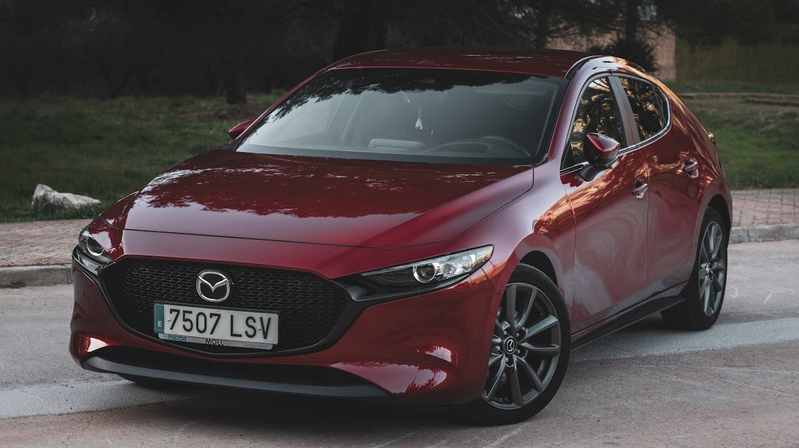
Having a small car might be the best thing ever. In fact, there are five reasons why small cars are great. First of all, they’re affordable. Small cars are cheaper than larger ones, and you can usually find good deals on them. Second of all, they’re fuel efficient. Small cars get excellent gas mileage, which means you’ll save money on gas. Third of all, they’re easy to park. Parking can be a nightmare in big cities, but small cars make it much easier. Fourth of all, they’re eco-friendly. Small cars produce less CO2 emissions than larger cars do, so you can feel good about driving one. And finally, fifthly, they’re cute-sized. Here are the details:
They Get Great Gas Mileage
Another great thing about small cars is that they’re fuel efficient. Small cars like the Honda Fit get great gas mileage, which means you’ll save money on gas. In fact, you could save hundreds of dollars a year by driving a small car. And who doesn’t love saving money?
They’re Cheaper Than Larger Cars

In this economy, we’re all looking to save a few bucks. And one of the best ways to do that is by purchasing a small car. Small cars like a fiat 500 tend to be cheaper than their larger counterparts, and you can usually find good deals on them. So, if you’re looking to save some money, go with a small car.
They’re Easy to Park
If you live in a big city, then you know how difficult it can be to find a parking spot. But with a small car, you won’t have that problem. Small cars are easy to park, and you’ll be able to find a spot in no time. So, if you’re tired of searching for a parking spot, go with a small car.
They’re Eco-Friendly
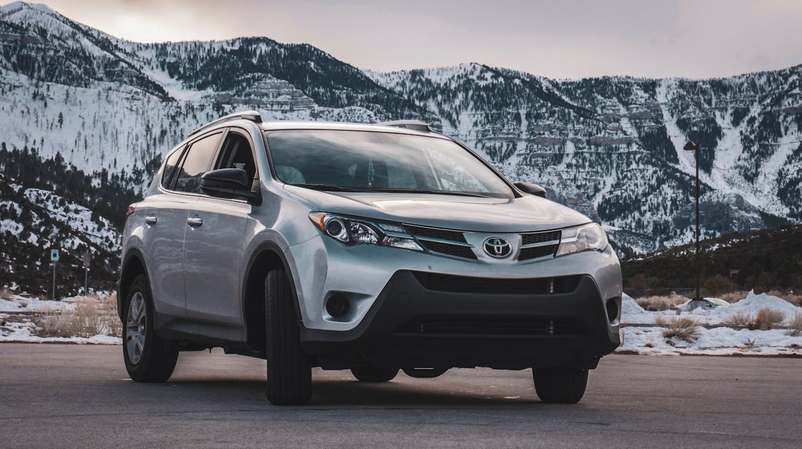
If you’re looking for an eco-friendly option, then a small car is the way to go. Small cars produce less CO² emissions than larger cars do, so you can feel good about driving one. Plus, you’ll be doing your part to help the environment.
They’re Cute-Sized
And last but not least, small cars are just plain cute. They’re the perfect size for city driving and always look good. So, if you’re looking for a good-looking car, go with a small one. So, there you have it, five reasons why small cars are great. If you’re in the market for a new car, be sure to consider a small one. You won’t regret it.
Happy driving.…

- Auto
- September 30, 2020
- 81 views
What Drivers Should Know Before Switching to Autonomous Vehicles
Have you ever wondered what it truly feels like to sit behind the wheel while the car makes most of the driving decisions for you? The rise of autonomous vehicles is no longer a distant concept but a visible shift in modern transportation. From intelligent braking systems to lane-centering technology, automation is gradually redefining how drivers interact with their cars. As innovation accelerates, many motorists are considering whether it is the right time to make the transition. To better understand how technological progress is shaping mobility, you can explore insights at https://www.tmcnet.com/topics/articles/2020/07/15/446012-how-technology-shape-future-automotive-industry.htm. Before committing to this change, however, drivers should evaluate several important factors that influence safety, cost, and long-term practicality.
The Levels of Automation
One of the first things drivers should recognize is that not all autonomous vehicles operate at the same level. The Society-of Automotive Engineers (SAE) gives six levels of driving automation, ranging from no automation (Level o) to full automation (Level 5). Many vehicles currently on the market fall between Level 2 and Level 3, meaning they still require human supervision. Drivers often assume that “self-driving” means total independence from human input. In reality, most systems require hands-on readiness and immediate response when prompted. Misinterpreting these levels can create overconfidence, which may increase accident risk. Before switching, carefully review the manufacturer’s documentation and understand the system’s limitations. Knowing exactly what your vehicle can and cannot do prevents dangerous assumptions.
Legal and Insurance Implications
 Autonomous vehicles introduce legal questions that traditional cars did not raise. Who is responsible if the vehicle makes an error? Does liability rest with the driver, the manufacturer, or the software developer? Laws vary by country and even by state, so drivers must research local regulations before adopting autonomous technology. Insurance policies may also differ for semi-autonomous or fully autonomous vehicles. Premiums can fluctuate depending on risk assessment, software reliability, and safety data. Some insurers may require additional coverage related to advanced driver-assistance systems. Drivers should speak directly with insurance providers to clarify terms and avoid unexpected gaps in coverage. Overlooking this step could create financial exposure after an accident.
Cost, Maintenance, and Software Updates
Switching to an autonomous vehicle often involves higher upfront costs. Advanced sensors, radar systems, cameras, and computing hardware significantly increase manufacturing expenses. Beyond the purchase price, ongoing maintenance may include software updates, calibration of sensors, and system diagnostics. Unlike traditional vehicles, autonomous models depend heavily on digital infrastructure. Regular software updates improve performance and patch vulnerabilities. Failing to keep systems updated may compromise safety and functionality. Additionally, repairs involving sensors or cameras can be expensive compared to standard mechanical fixes. Drivers must evaluate whether long-term maintenance costs align with their budget. Battery-powered autonomous vehicles may also require charging infrastructure, which varies depending on location. Before making the switch, consider the availability of charging stations and service centers equipped to handle high-tech systems. Practical planning helps prevent inconvenience after purchase.
Human Responsibility and Behavioral Adjustment

Perhaps the most underestimated factor is the psychological shift required when moving to autonomous driving. Even with advanced automation, human attention remains critical. Drivers must stay alert and ready to intervene if the system disengages or encounters unfamiliar road conditions. Overreliance on automation can lead to distraction. Studies show that drivers may become less attentive when they believe the vehicle is fully in control. This behavior can delay reaction times during emergencies. Understanding that autonomy is a partnership between driver and machine is vital. Furthermore, road conditions, weather, and construction zones can challenge automated systems. Heavy rain, snow, or poorly marked lanes may reduce sensor accuracy. Drivers must recognize these environmental limitations and adapt accordingly. Autonomous vehicles perform impressively under optimal conditions, but they are not flawless. Maintaining situational awareness remains essential for safe operation.
Switching to autonomous vehicles represents a major step in personal mobility, blending technology with everyday driving. Before making this transition, drivers should understand automation levels, evaluate legal and insurance considerations, assess costs and maintenance needs, and recognize the ongoing responsibility required behind the wheel. Autonomous systems provide impressive assistance, but they do not eliminate the need for informed human oversight. By approaching the change with awareness and preparation, drivers can make confident decisions that align with their safety expectations, financial plans, and long-term transportation goals.…