Randy Guerra
- Auto
- February 25, 2023
- 16 views
Common Pitfalls and Mistakes Made When Selling an Old Car
Selling an old car sounds simple. Put up a listing, wait for a buyer, take the cash, or even consider a cash for cars company, and move on. In reality, many sellers trip over avoidable mistakes that cost time and money. Emotions get involved. Assumptions creep in. Small oversights turn into big regrets. If you want a smooth deal, you need to spot the common pitfalls early.
Overpricing Based on Sentiment
The first mistake is pricing the car based on memories instead of market data. You remember road trips, late-night drives, and that one time it saved you in a storm. Buyers do not care about those stories. They care about mileage, condition, and comparable listings in your area. If you set the price too high, your listing will sit there collecting digital dust. Weeks pass, inquiries slow down, and you eventually slash the price anyway. Start with research, not nostalgia, and you will avoid chasing the market downward.
Ignoring Minor Repairs and Presentation
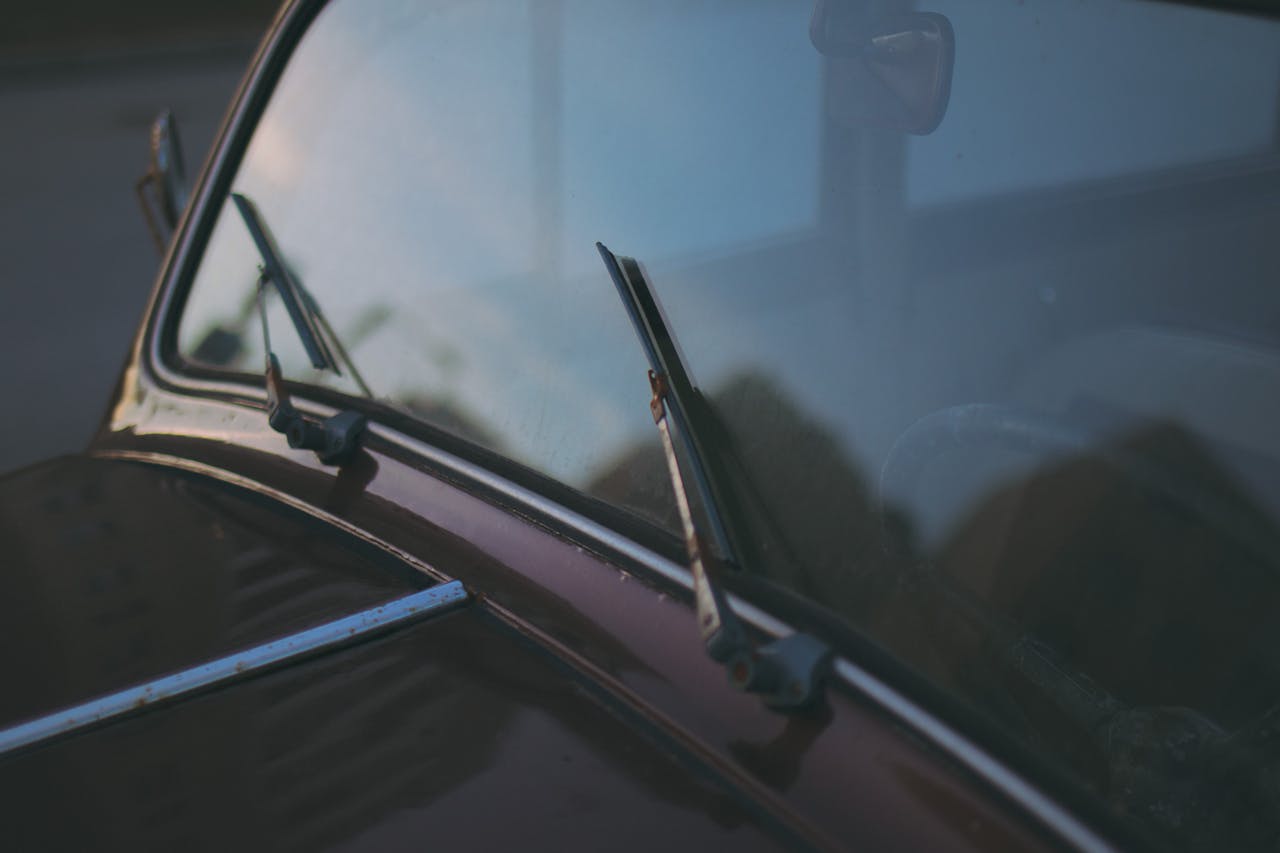 Some sellers believe they should not spend another peso on an old vehicle. That logic often backfires. A cracked tail light or worn wipers signal neglect to buyers. They begin to wonder what bigger issues are hiding under the hood. A simple wash, interior vacuum, and basic fixes can change the tone of every viewing. First impressions matter more than you think. A tidy car suggests it has been treated well, and that perception can protect your asking price.
Failing to Prepare the Paperwork
Paperwork problems can stall a deal faster than a flat tire. Missing registration documents or an unsigned title create doubt. Buyers may walk away if ownership is unclear. In places like the Philippines, processing records with the Land Transportation Office requires accuracy and patience. If penalties or unpaid fees surface at the last minute, negotiations can collapse. Prepare every document before listing the car. A clean paper trail builds confidence and speeds up the transaction.
Poor Communication with Potential Buyers
Another common error is weak communication. Some sellers reply late or give vague answers about the vehicle’s condition. Others hide flaws, hoping buyers will not notice. Trust evaporates quickly when a scratch or engine issue appears without warning. Be direct about defects and past repairs. Clear explanations save time for both sides. A buyer who feels respected is more likely to close the deal without drama.
Skipping Safe Payment Practices

Excitement can cloud judgment once someone agrees to buy. A seller may accept partial payments without written terms. Others release the car before confirming that funds have cleared. Fraud exists, even in what seems like a friendly neighborhood sale. Meet in a public place and verify the payment method carefully. Count cash twice, or confirm bank transfers through official channels. Protect yourself first, and celebrate later.
In the end, selling an old car is part strategy, part common sense. Price it based on facts, not feelings. Fix small issues before they grow into bargaining weapons. Prepare documents early and speak honestly with buyers. Guard your payment process like you would guard your wallet in a crowded market. Avoid these mistakes, and you will move from frustration to handshake faster than you expect.…