Randy Guerra
- Auto
- February 14, 2022
- 16 views
Are Alternative Fuels Actually Cheaper Than Gas?
Gas prices jump like they’re on a trampoline. One week you’re fine. Next week you’re staring at the pump in disbelief. That’s why conversations about alternative fuels keep popping up, especially on platforms like carsoid where drivers explore new power options. But here’s the real question. Are these fuels actually cheaper, or do they just sound futuristic and cool? Let’s cut through the hype. Numbers matter. Long term cost matters more. Grab your keys. Let’s roll. You’ll be glad you’ve landed on this post.
Hybrid Power
Hybrids blend gasoline with electric assistance. That combination reduces fuel consumption without eliminating gas entirely. Fuel economy improves noticeably, especially in city driving. Stop and go traffic becomes less painful for your wallet. Purchase prices usually sit between traditional cars and full electric models. That balance attracts many buyers. Maintenance costs can be slightly higher than standard gas vehicles due to dual systems. But fuel savings often offset that difference. Hybrids work well for drivers not ready to commit fully to electric. They reduce fuel spending without drastic lifestyle changes.
Hydrogen and Biofuels
Hydrogen fuel cell vehicles sound futuristic. They emit water vapor instead of exhaust fumes. Refueling is quick compared to charging batteries. But hydrogen stations are limited in many regions. That scarcity affects practicality. Cost per mile varies depending on supply and incentives. Biofuels, including ethanol blends, can sometimes be cheaper than regular gasoline. Availability depends heavily on local infrastructure. But, not all vehicles handle high ethanol blends without modification. These options are promising but not universally practical yet. Availability shapes affordability.
Electricity
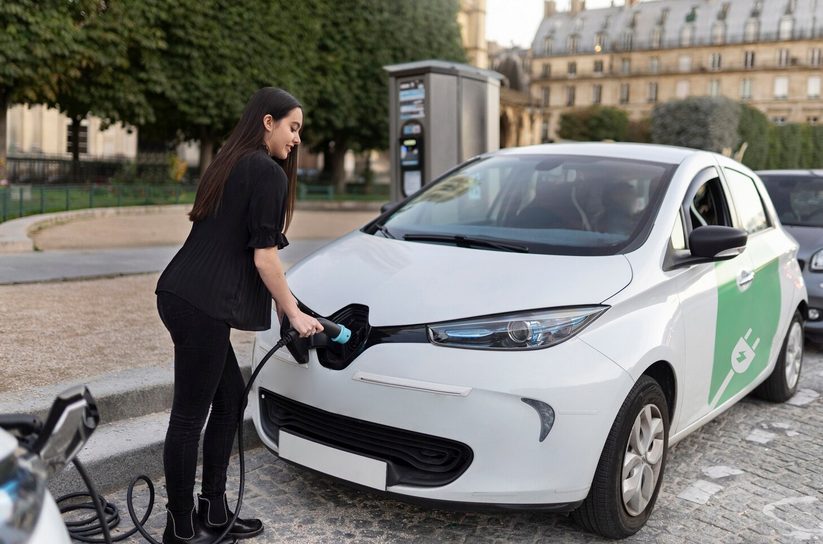
Electric vehicles often cost less per mile to power. Charging at home can be significantly cheaper than filling a gas tank. Electricity rates are generally more stable than fuel prices. Maintenance is also simpler. Fewer moving parts mean fewer oil changes and fewer mechanical headaches. That can reduce service expenses over time. However, the upfront purchase price of electric cars is often higher. Battery replacement, while rare early on, can be expensive. Charging infrastructure matters too. Public fast chargers sometimes cost more than home charging. Location affects savings. So yes, electricity can be cheaper per mile.
Hidden Costs You Should Not Ignore
Fuel price alone doesn’t tell the full story. Insurance premiums may differ by vehicle type. Electric models sometimes carry higher rates. Resale value matters too. Some electric cars hold value well. Others depreciate quickly. Battery lifespan influences long term savings. Most modern batteries last years, but replacement costs are real. Government incentives can reduce upfront price. Tax credits or rebates change the math significantly. Calculate total ownership cost. Fuel savings look attractive, but purchase price, maintenance, and depreciation complete the picture.
Are alternative fuels cheaper than gas? Often, yes per mile. Always? No. Electric vehicles shine for daily commuters with home charging. Hybrids offer balanced savings without lifestyle overhaul. Hydrogen and biofuels remain situational. Infrastructure determines practicality. Think beyond the pump. Consider how long you plan to own the car. Factor in incentives and maintenance. Driving costs are not just about today’s price per gallon. They’re about long term planning. Choose what fits your budget, your habits, and your local infrastructure. Because smart driving starts before you even start the engine.…