Randy Guerra
- Auto
- February 20, 2026
- 604 views
Why Classic Car Fans Are Obsessed (And You Might Be Too)
There’s a moment when the engine fires up, and suddenly you get it. The sound is rougher. The steering feels alive. And just like that, an Alex Manos Car Buyer is wondering no more about why something older feels more exciting than a brand-new performance car. So what’s the deal? Why do these older machines hook people so deeply?
They Deliver Raw, Mechanical Feel
Modern cars are fast. That’s a fact. But older machines make you work for it, and that effort creates a connection. There’s steering feedback that talks back. The brakes require intention. The gearbox rewards skill and punishes laziness. Every input matters, and that makes every drive memorable. You feel the engine’s vibration through the seat. You smell a hint of fuel. It’s imperfect, and that’s the charm. It’s driving in high definition, no filters. It’s analog in a digital age, and that contrast makes every mile feel earned.
They Tell a Story You Can Touch
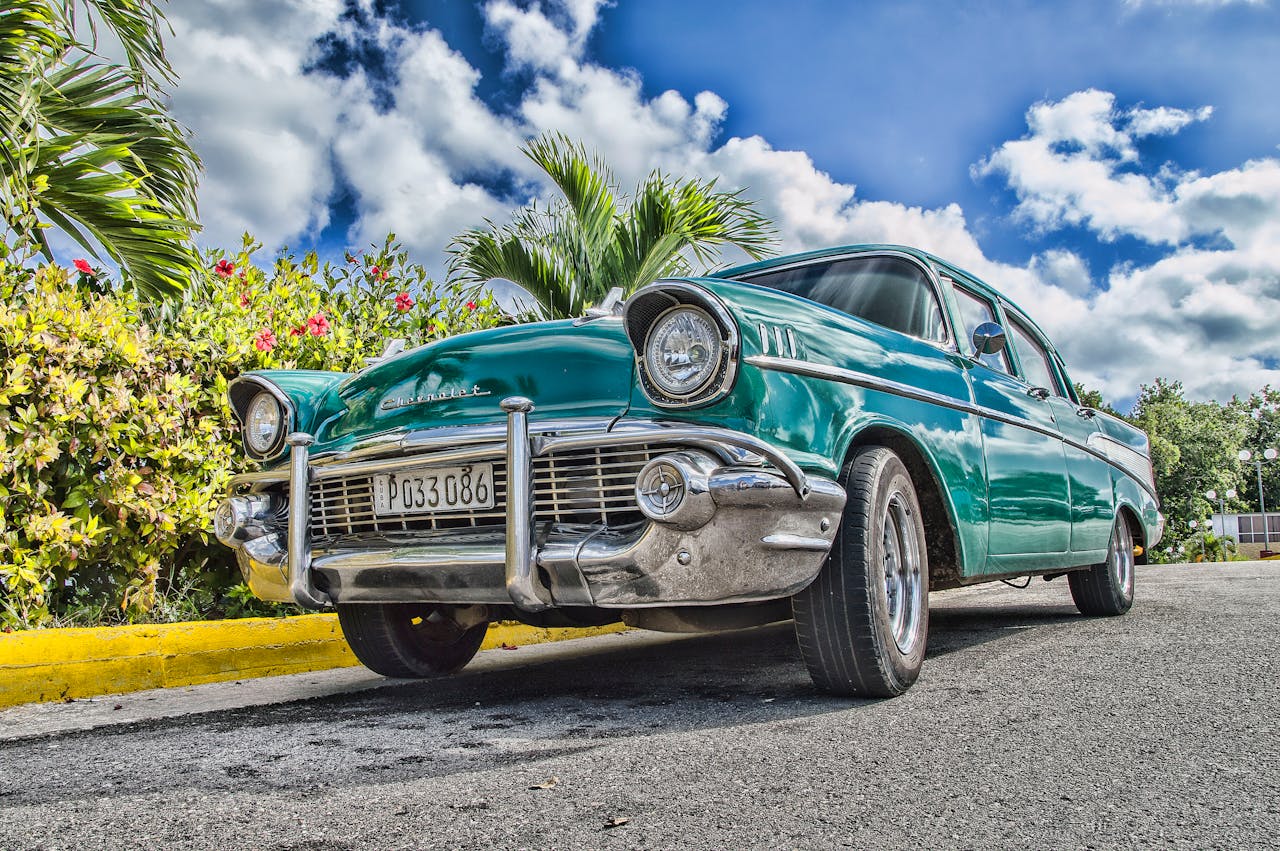
Every older vehicle carries a timeline. Previous owners, faded registrations, toolkits with missing pieces. It’s history on wheels. Fans love that backstory. A scratch isn’t damage. It’s a chapter. A worn steering wheel isn’t a flaw. It’s proof of life. Car people don’t just buy metal. They buy narrative. And that narrative becomes part of their own timeline once the keys change hands. Owning one feels less like a purchase and more like becoming the next caretaker in a long chain of drivers.
They Reward Skill and Patience
You don’t just jump in and expect perfection. Older cars demand involvement. That’s part of the appeal. Maintenance teaches you things. Adjusting carburetors, checking timing, and diagnosing strange noises. You build knowledge, not just mileage. It creates pride. You fixed it. You tuned it. You brought it back. That sense of ownership runs deeper than a monthly payment ever could. Mastering one feels like leveling up in real life, not just pressing a start button.
They Create Instant Community
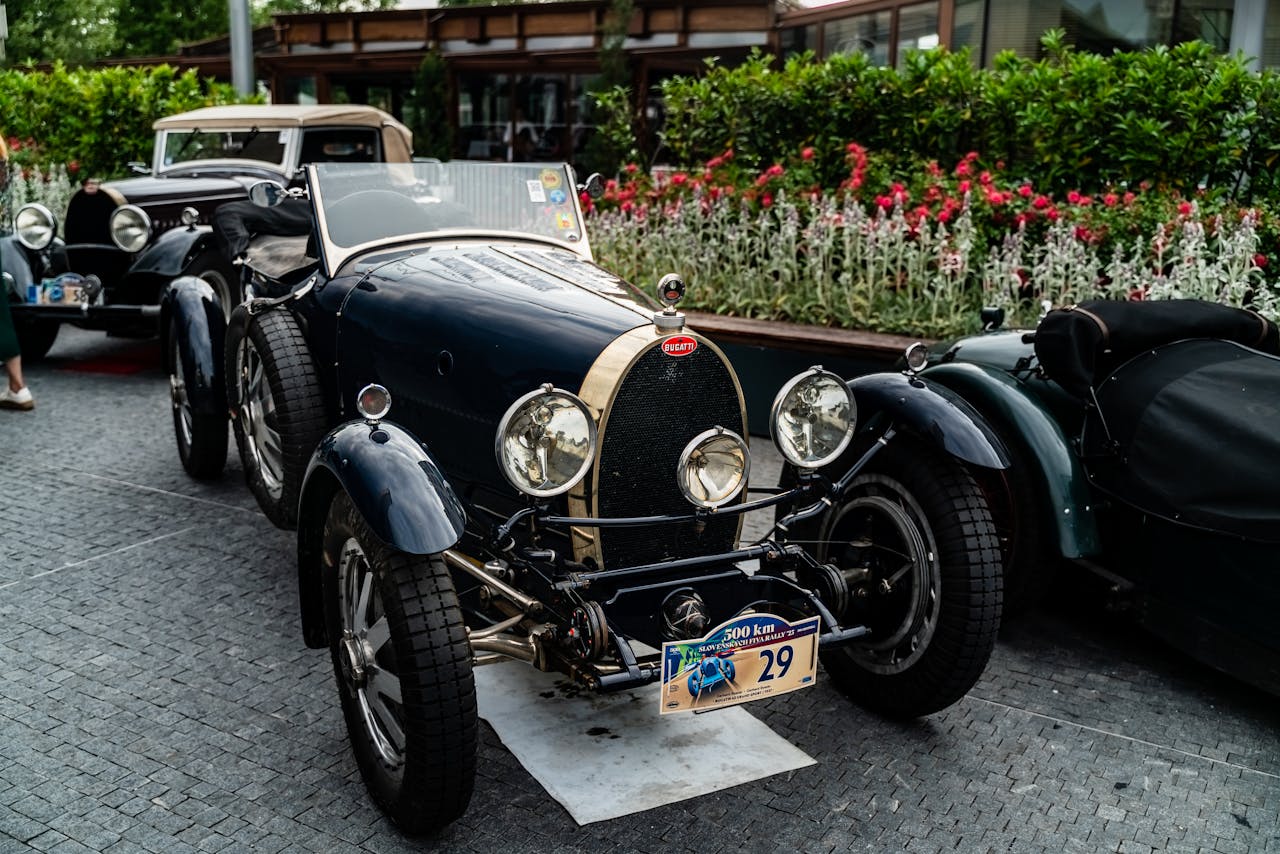
Take a vintage model to a gas station and watch what happens. Someone will approach. Stories will start flying. These cars are conversation magnets. They connect strangers. They spark debates about originality, paint codes, and factory specs. Shows and meetups become social hubs. People trade advice. They swap parts. They build friendships around shared obsessions. It’s more than transportation. It’s a culture with wheels. That shared passion turns parking lots into mini car meets within minutes.
They Can Hold Real Value
Let’s talk numbers for a second. Certain older models have proven resilient in the market. Demand stays steady for the right examples. Condition matters. Documentation matters. Originality matters. Buyers who understand this treat purchases like long-term plays, not impulse buys. That’s where experience counts. Knowing what to buy and when to sell separates smart collectors from emotional shoppers. Some enthusiasts start for passion and stay for the strategy. Others flip that order. Either way, the financial angle adds another layer of intrigue.
In the end, the obsession makes sense. Raw driving feel. Tangible history. Skill-building. Community. Market strength. That’s a powerful mix. You might think you’re just browsing listings for fun. Then you start memorizing chassis codes. It happens fast. Classic car fans aren’t crazy. They’re captivated.…
- Auto
- January 17, 2024
- 97 views
Behind the Wheel of Elegance: Exploring the Stylish Features of Vintage Cars
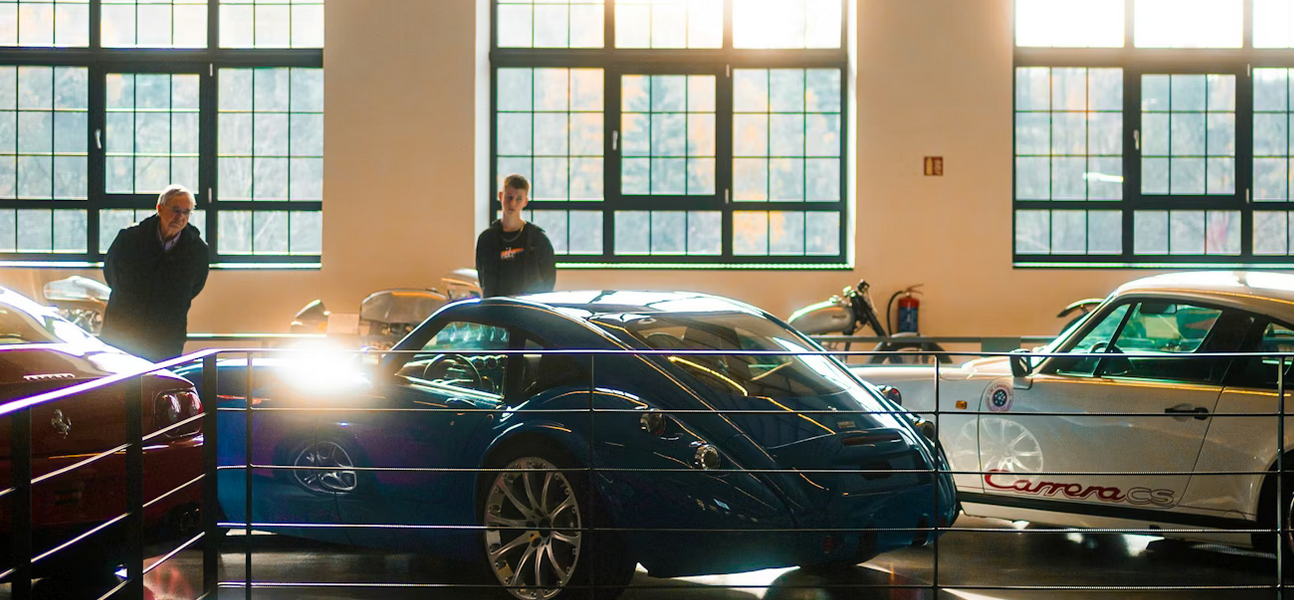
Embarking on a journey back in time, vintage cars beckon with an alluring charm that transcends mere transportation. These four-wheeled masterpieces are not just vehicles. They are time capsules, encapsulating an era of design sophistication and automotive elegance. Join us as we take a leisurely drive through the stylish features of Beverly Hills Classic Cars, exploring the details that make each ride a nostalgic and visually enchanting experience.
Timeless Silhouettes
At first glance, vintage cars are distinguished by their unmistakable silhouettes. From the sleek curves of Art Deco-inspired vehicles to the bold lines of mid-century classics, each model boasts a distinctive profile that reflects the design ethos of its time. Vintage cars were not merely built; they were sculpted, with every line contributing to an overall aesthetic that exudes grace and timeless beauty.
Chrome Brilliance
One cannot discuss the stylish features of vintage cars without acknowledging the role of chrome. A gleaming chrome grille, door handles, and accents were not merely functional elements but statements of opulence. The reflective brilliance of chrome added a touch of luxury to these automobiles, catching the sunlight as they rolled down the avenues of the past.
Artful Instrumentation
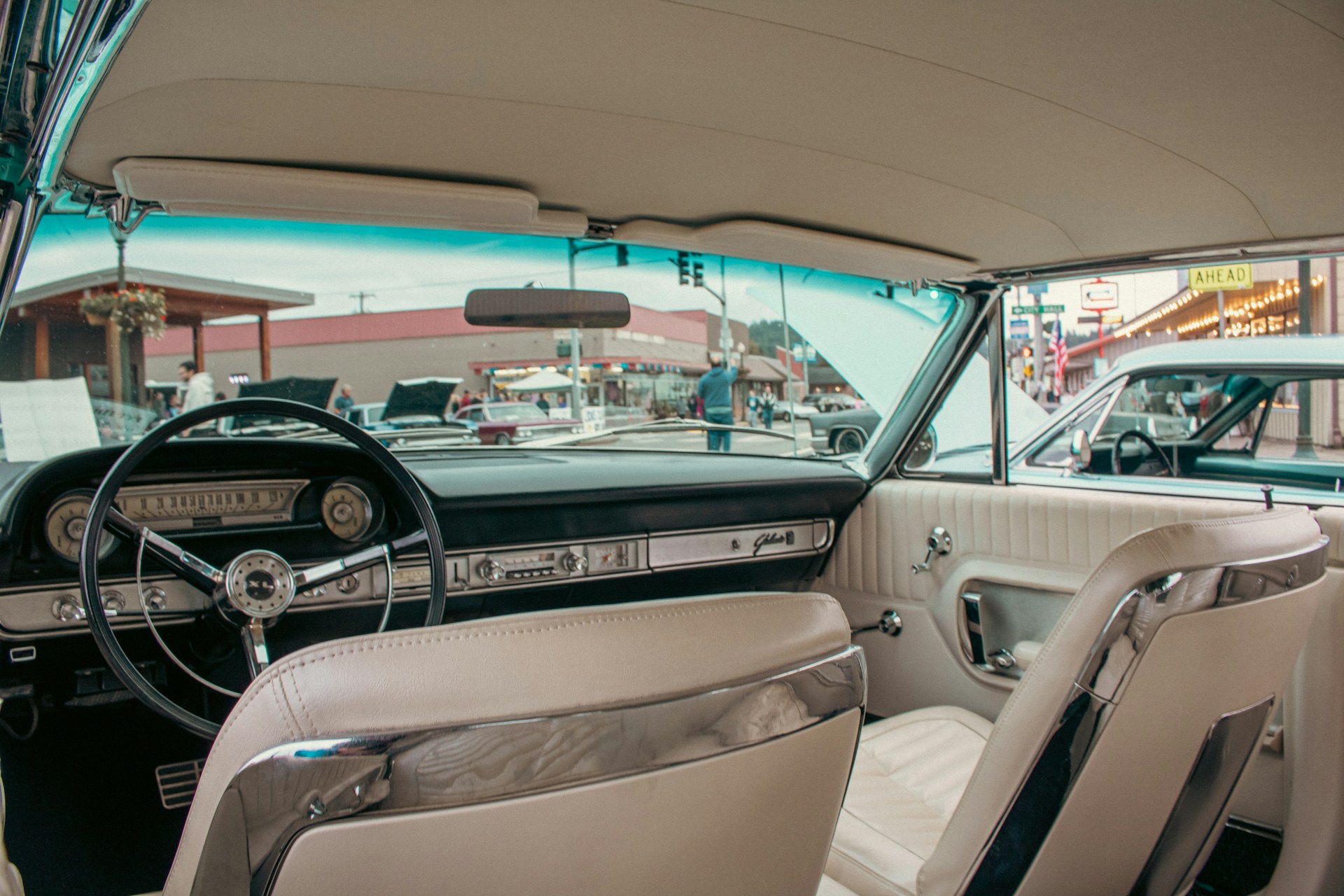
The dashboard of a vintage car is a symphony of gauges, knobs, and switches, arranged with an artistic precision that is often missing in modern vehicles. Instrument panels were not just functional; they were designed as works of art, with meticulous attention given to the typography, layout, and overall aesthetics. Each dial told a story of the car’s performance and added to the overall elegance of the driving experience.
Distinctive Grilles and Emblems
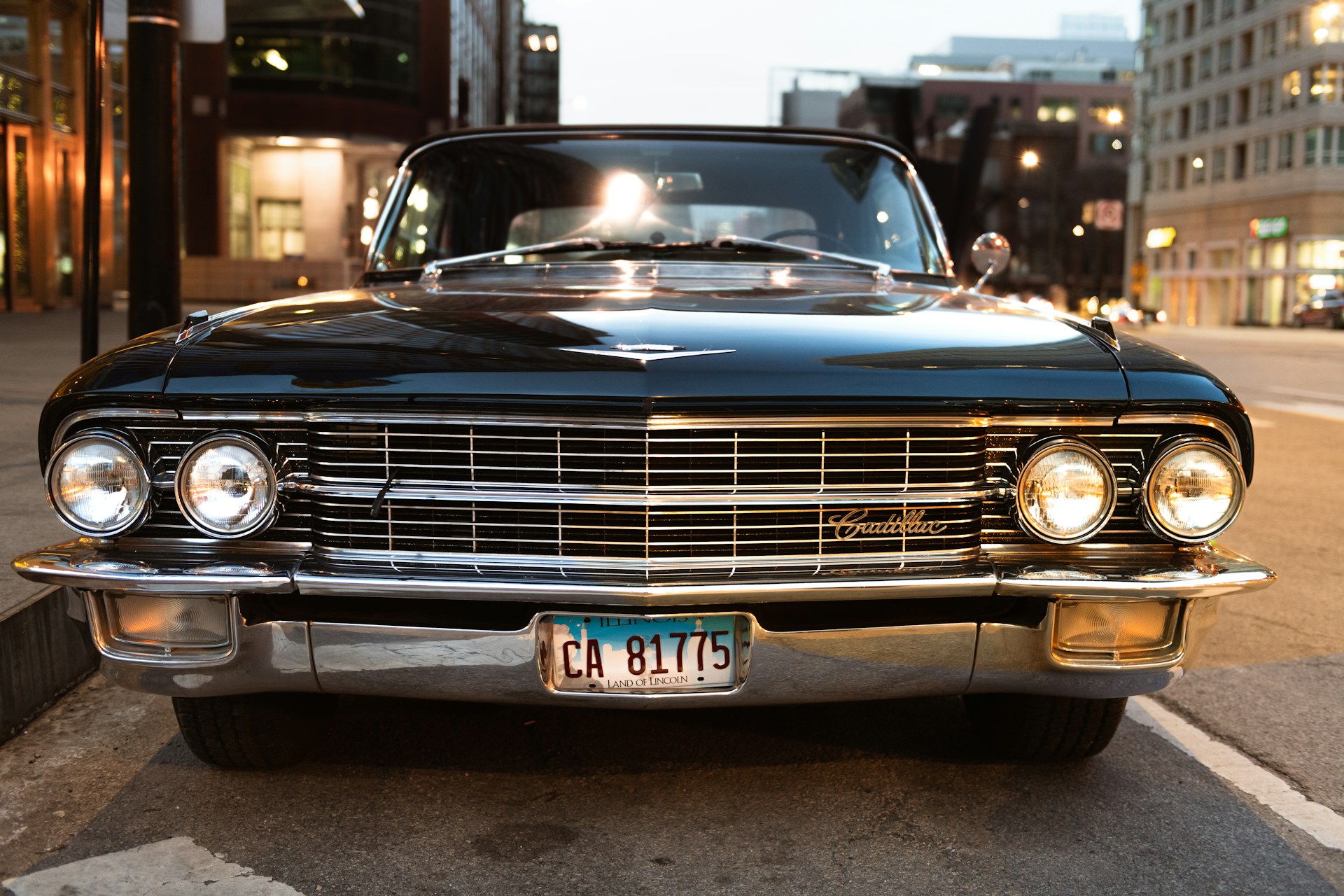
The front grille of a vintage car is like a signature, announcing its presence with distinctive flair. From the iconic kidney-shaped grille of a classic BMW to the bold, toothy grin of a vintage Cadillac, these design elements were not just functional air intakes; they were brand signatures that set each vehicle apart. Emblems and hood ornaments further added a touch of personalized elegance.
Convertible Roofs and Whitewall Tires
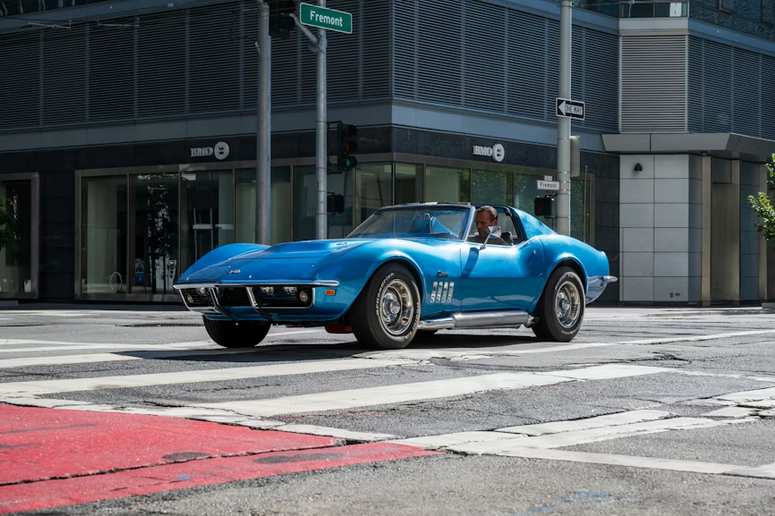
For those seeking the epitome of style, many vintage cars offered convertible options. The allure of cruising with the top down, wind in your hair, is an experience synonymous with vintage elegance. Paired with whitewall tires, these convertibles exuded a sense of sophistication and carefree luxury that defined the glamour of a bygone era.
Two-Tone Paint Schemes
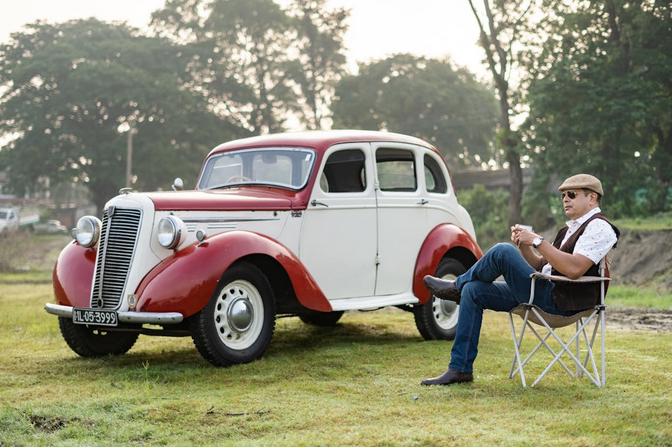
Vintage cars often showcased two-tone paint schemes, a trend that added a visual dynamism to their exteriors. Whether it was a classic combination like black and white or a more adventurous pairing of pastel hues, these paint schemes were a nod to creativity and individuality. The carefully chosen color combinations contributed to the overall allure of each vintage ride.
Leather Upholstery
Luxurious leather upholstery is a staple of vintage car interiors. The aroma of aged leather, the supple feel of well-worn seats – these details elevate the driving experience into a sensory journey. The craftsmanship and quality of vintage car interiors, often hand-stitched and meticulously designed, are testaments to an era where elegance extended beyond the exterior.
Behind the wheel of a vintage car, every journey becomes a celebration of design mastery and automotive artistry. The stylish features of these timeless vehicles are not just relics of the past. They are enduring symbols of an age when cars were crafted with a blend of ingenuity and aesthetic sensibility. As we explore the stylish features of vintage cars, we are reminded that elegance, once built into the very framework of these classics, continues to echo through time, inviting enthusiasts to savor the beauty of each ride down memory lane.…
- Auto
- January 18, 2023
- 104 views
How to Maintain a Classic Car for Long-Term Preservation
A classic car is more than transport. It is memory on wheels. The smell of aged leather, the click of a solid door, the hum of an old engine—these details matter. Beverly Hills Car Club often tells collectors that preservation is what separates a showpiece from a rusting project. If you want that machine to outlive you, preservation must be intentional. Time is not gentle with metal and rubber. Neglect creeps in quietly. Long-term care is about steady habits, not heroic repairs.
Store It Like It Matters
Storage decides half the battle. A dry, well-ventilated garage beats a driveway every single time. Moisture invites rust, and rust spreads like gossip. Use a breathable car cover instead of plastic, which traps condensation and causes corrosion. Keep the fuel tank nearly full to reduce internal moisture, and add a stabilizer if the vehicle sits for months. Disconnect the battery or use a trickle charger so you are not greeted by silence when you turn the key.
Protect the Body and Interior
Paint and chrome demand regular attention. Wash the car by hand using mild soap, then dry it completely to avoid water spots. Apply wax several times a year to create a barrier against dirt and sunlight. Rubber seals around doors and windows should be treated with conditioner so they do not crack. Inside the cabin, vacuum often and clean leather with a proper conditioner to prevent stiff surfaces. Sunshades help keep dashboards from fading and splitting under harsh light.
Keep Mechanical Parts Alive
Engines dislike long naps. Start the car every couple of weeks and let it reach operating temperature. Better yet, take it for a short drive to circulate fluids through the transmission, brakes, and suspension. Change oil at least once a year, even if mileage is low, because contaminants still build up. Inspect belts, hoses, and gaskets for signs of drying or leaks. Old cars speak in subtle sounds, so listen closely and act early.
Maintain Documentation and Authenticity
Paperwork is part of preservation. Keep service records, restoration receipts, and old photographs in a safe place. These documents prove history and increase value. Avoid unnecessary modifications that stray from factory specifications unless safety demands it. Original parts, even worn ones, often carry more worth than flashy replacements. If upgrades are required, store the removed components so the vehicle can be returned to its prior form.
Classic car ownership feels romantic, but romance alone does not protect steel. Discipline does. A few steady habits beat grand gestures once a year. Treat the car like a living thing that needs exercise, shelter, and care. Talk to it if you want; many owners do. In return, it will reward you with that deep engine note and the grin that follows. Long-term preservation is simple: respect the machine, and it will respect you back.…