Randy Guerra
- Auto
- December 31, 2018
- 11 views
The Most Iconic Classic Cars of the 1960s
What made the 1960s such a golden era for automobiles? Was it the bold styling, the raw engine power, or the cultural revolution that reshaped design and performance standards? The decade delivered vehicles that were loud, expressive, and unforgettable. Chrome shimmered under city lights, V8 engines roared across open highways, and manufacturers competed fiercely for dominance. Even today, collectors and enthusiasts chase these legends with admiration. For readers who enjoy discovering fascinating details and additional information about lifestyle trends and cultural shifts, inspiration can come from unexpected places. Yet few subjects spark nostalgia quite like the classic cars of the 1960s. Below are five models that defined the decade and continue to command attention worldwide.
Ford Mustang (1964½)
When the Ford Mustang debuted in 1964, it instantly transformed the automotive market. Affordable yet sporty, compact yet aggressive, it created what became known as the “pony car” segment. Buyers were captivated by its long hood, short rear deck, and impressive customization options. Drivers could choose between economical inline-six engines or powerful V8 configurations, allowing flexibility in both performance and budget. The Mustang symbolized freedom and youthful rebellion. It appeared in films, advertisements, and racing circuits, building a cultural presence that few vehicles achieved. Its commercial success also forced competitors to produce similar performance-oriented models. Even decades later, early Mustangs remain highly sought-after collector cars, valued for their historical significance and timeless profile.
Jaguar E-Type (1961)
Across the Atlantic, the Jaguar E-Type stunned audiences at its 1961 launch. Enzo Ferrari himself reportedly called it one of the most beautiful cars ever made. With its elongated hood, covered headlights, and smooth curves, the E-Type blended elegance with serious performance. Underneath its striking exterior lay advanced engineering for its time, including independent rear suspension and disc brakes. Capable of reaching speeds near 150 mph, it rivaled far more expensive European sports cars. The E-Type’s design still influences modern automotive aesthetics. It represented sophistication without sacrificing speed, capturing the imagination of celebrities and racing drivers alike. For many collectors, owning an E-Type means possessing a masterpiece of 1960s craftsmanship.
Chevrolet Camaro (1967)
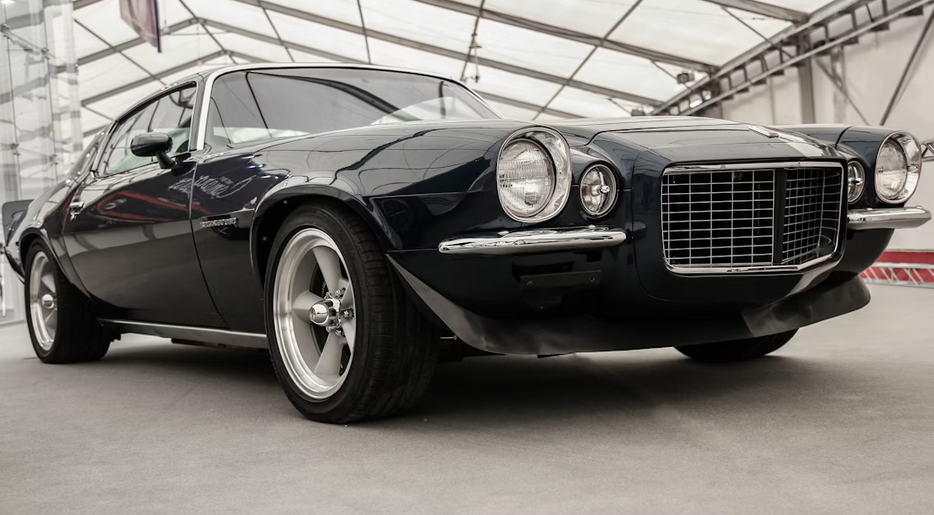
Chevrolet answered the Mustang’s success with the Camaro in 1967. Designed to compete directly in the pony car category, the Camaro introduced aggressive styling and strong engine choices. From small-block V8s to high-performance SS variants, it provided serious muscle in a sleek frame. The Camaro stood out for its balance of speed and street appeal. Drivers appreciated its handling capabilities, while enthusiasts admired its bold front grille and sculpted body lines. Performance packages offered additional upgrades, turning the Camaro into a track-ready machine. Its rivalry with the Mustang became legendary, fueling brand loyalty that continues today. The Camaro’s influence extended beyond sales numbers; it helped solidify the muscle car era as a defining chapter in American automotive history.
Chevrolet Corvette Sting Ray (1963)
The 1963 Corvette Sting Ray introduced a split rear window design that instantly became iconic. With sharp lines and a futuristic stance, it departed from earlier Corvette styling and embraced a more daring identity. Performance matched its dramatic appearance. Equipped with powerful V8 engines and improved suspension, the Sting Ray delivered thrilling acceleration and handling. It was equally comfortable cruising along coastal highways or competing on race tracks. The split-window model was produced for only one year, making it particularly desirable among collectors. This limited production run added to its mystique and long-term value. The Sting Ray proved that American sports cars could rival European competitors in both design and performance.
Porsche 911 (1964)
The Porsche 911 debuted in 1964 and quickly established itself as a benchmark in sports car engineering. Unlike many front-engine competitors, the 911 featured a rear-engine layout, contributing to its distinctive handling characteristics. Its clean silhouette and round headlights became instantly recognizable. The 911 combined everyday usability with racing pedigree. Drivers appreciated its precision steering and balanced chassis, while motorsport success enhanced its credibility. Over time, the 911 evolved while maintaining its core identity, making early models especially prized by enthusiasts. What sets the 911 apart is its continuity. While other models changed drastically over decades, the 911 preserved its character, proving that thoughtful engineering can endure shifting trends.
The 1960s delivered some of the most iconic classic cars ever built, from the rebellious Ford Mustang to the elegant Jaguar E-Type and the enduring Porsche 911. Each model contributed to …