 Randy Guerra
Your shiny EV ride can suffer if you treat its battery like an indestructible superhero. Just like drivers hunting for free radio codes after swapping a 12V battery, EV owners often realize too late that small habits can trigger big headaches. Let’s talk about what quietly drains the life out of your EV’s most expensive component.
Charging to 100% Every Single Night
I get it. You want full power. Seeing 100% feels like winning. But lithium-ion batteries prefer moderation, like a good steak. Sometimes, it’s medium rare, not burnt to a crisp. Constantly charging to full puts stress on the cells. Over time, that stress chips away at long-term capacity. Most EV manufacturers recommend keeping the daily charge between 20% and 80% unless you’re heading on a road trip. Treat 100% like dessert. Nice sometimes. Not breakfast, lunch, and dinner. There’s also heat buildup during high-percentage charging. Heat is the silent villain here. Keep it cool, and your battery will thank you with years of strong range.
Letting It Sit at Low Charge for Days
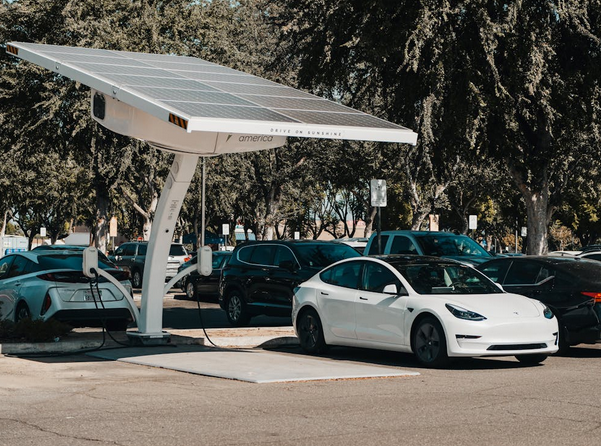
Picture this. You park your EV at 5% and leave it at the airport for a week. That’s like running a marathon and then refusing water. Batteries hate sitting near empty. Deep discharge stresses internal chemistry. It can even trigger protective shutdowns that require service intervention. That’s an awkward phone call you don’t want to make. Keep your vehicle parked with a moderate charge level. Around 50% is a sweet spot for storage. Also, don’t forget the smaller 12V battery. After replacing a car battery, there are specific steps to reset systems and protect electronics. Many drivers skip that part and pay later.
Ignoring Software Updates and System Checks
Your EV is basically a computer with wheels. Software updates often refine battery management systems. Skip them, and you might miss improvements that protect battery health. Manufacturers adjust charging curves and thermal controls through updates. Those tweaks matter. They optimize how energy flows and how heat is managed. After any battery replacement, including the auxiliary one, system recalibration matters. There’s a solid guide online explaining what to do after replacing a car battery, and it covers resets and electronic syncing steps that many overlook. Ignore those procedures, and you risk draining components or triggering warning lights.
Fast Charging Like It’s a Lifestyle
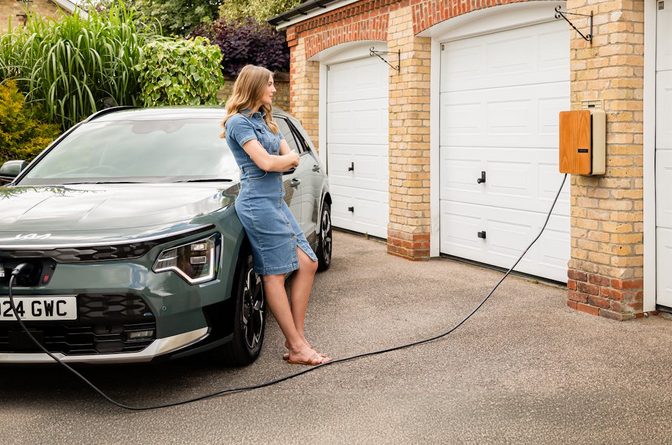
DC fast chargers are amazing. They’re also intense. Using them every day is like living on espresso shots. Exciting? Yes. Sustainable? Not really. Frequent rapid charging increases heat and accelerates wear. Occasional fast charging is fine for road trips. Daily reliance shortens long-term capacity. Mix in slower home charging when possible. Level 2 charging is gentler. Your battery prefers steady jazz over heavy metal at full blast. And park in the shade when charging outdoors. Heat plus high-speed charging is a brutal combo.
Extreme Temperatures and Lazy Parking Habits
Parking in blazing sun daily? Not ideal. Leaving the car in freezing conditions without preconditioning? Also rough. High temperatures accelerate chemical breakdown. Cold weather reduces efficiency and increases strain during charging. Both extremes chip away at longevity. Use preconditioning while plugged in. Let the car warm up or cool down before driving. It reduces stress on the pack. Garage parking helps. Even partial shade is better than open asphalt under a summer sun. Small choices compound over time.
An EV battery is tough. But it’s not invincible. Treat it smartly, skip the reckless habits, and your ride will stay punchy for years. Respect the battery, and it will return the favor every time you hit the pedal.