 Randy Guerra
A classic car is more than transport. It is memory on wheels. The smell of aged leather, the click of a solid door, the hum of an old engine—these details matter. Beverly Hills Car Club often tells collectors that preservation is what separates a showpiece from a rusting project. If you want that machine to outlive you, preservation must be intentional. Time is not gentle with metal and rubber. Neglect creeps in quietly. Long-term care is about steady habits, not heroic repairs.
Store It Like It Matters
Storage decides half the battle. A dry, well-ventilated garage beats a driveway every single time. Moisture invites rust, and rust spreads like gossip. Use a breathable car cover instead of plastic, which traps condensation and causes corrosion. Keep the fuel tank nearly full to reduce internal moisture, and add a stabilizer if the vehicle sits for months. Disconnect the battery or use a trickle charger so you are not greeted by silence when you turn the key.
Protect the Body and Interior
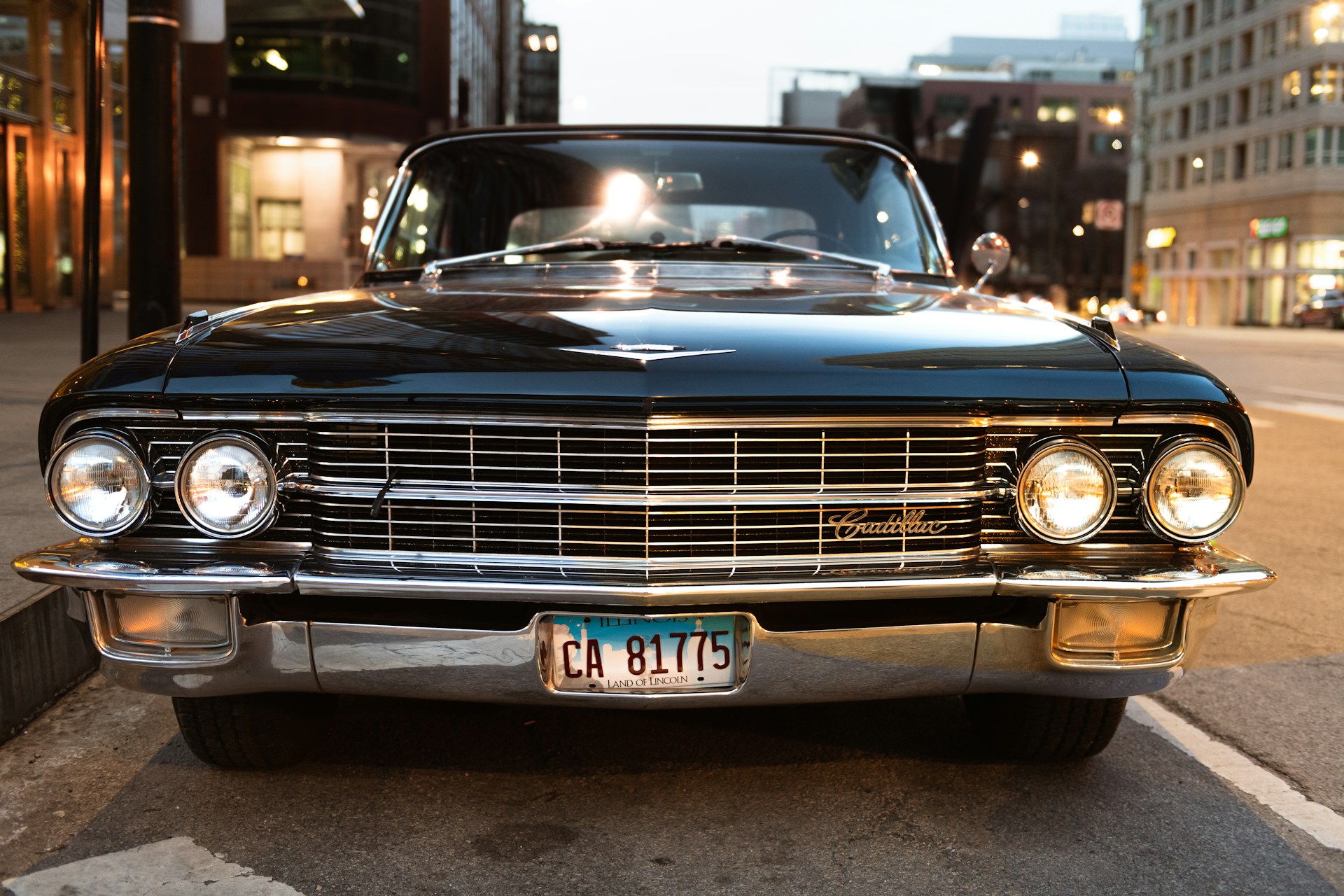
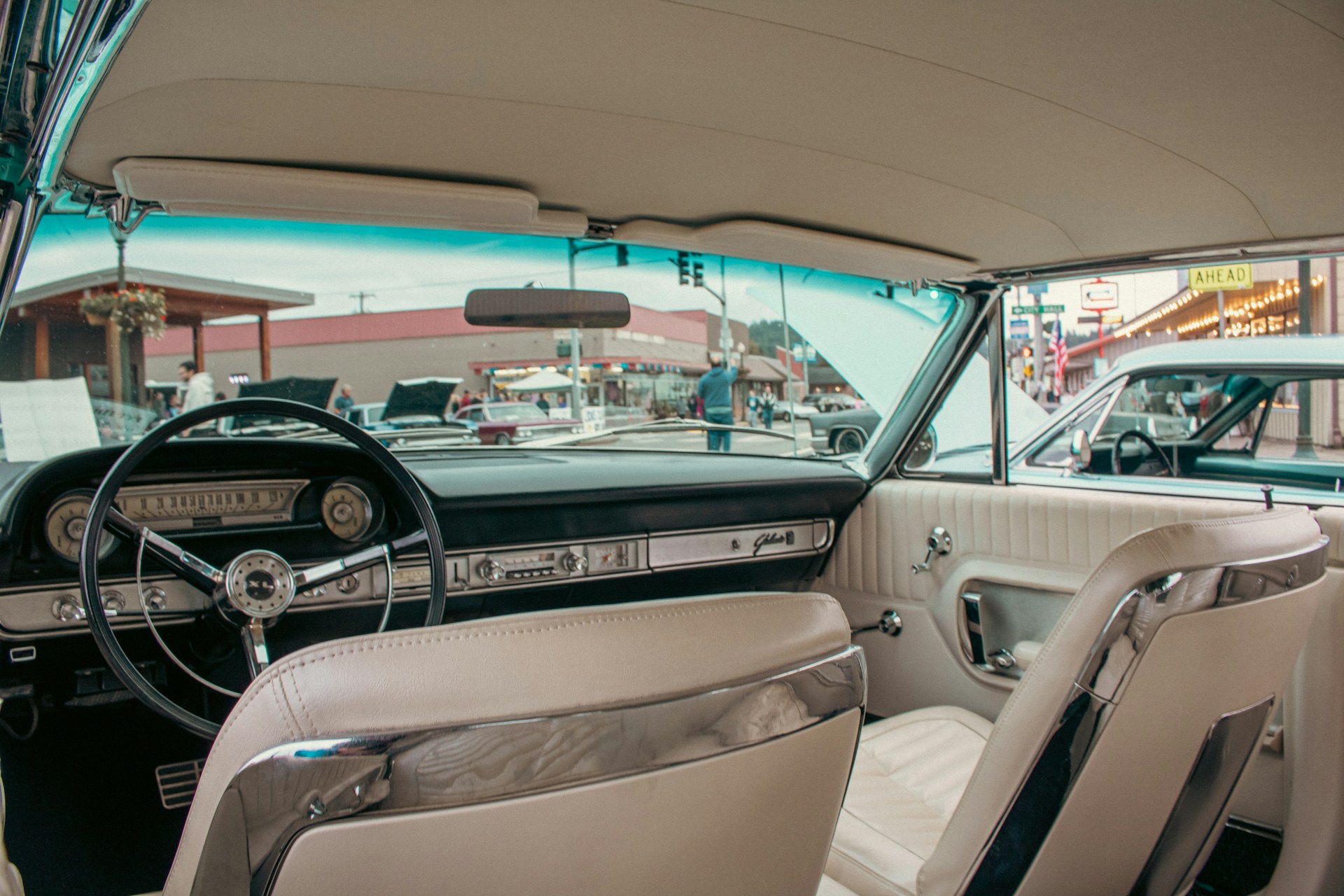
Paint and chrome demand regular attention. Wash the car by hand using mild soap, then dry it completely to avoid water spots. Apply wax several times a year to create a barrier against dirt and sunlight. Rubber seals around doors and windows should be treated with conditioner so they do not crack. Inside the cabin, vacuum often and clean leather with a proper conditioner to prevent stiff surfaces. Sunshades help keep dashboards from fading and splitting under harsh light.
Keep Mechanical Parts Alive
Engines dislike long naps. Start the car every couple of weeks and let it reach operating temperature. Better yet, take it for a short drive to circulate fluids through the transmission, brakes, and suspension. Change oil at least once a year, even if mileage is low, because contaminants still build up. Inspect belts, hoses, and gaskets for signs of drying or leaks. Old cars speak in subtle sounds, so listen closely and act early.
Maintain Documentation and Authenticity
Paperwork is part of preservation. Keep service records, restoration receipts, and old photographs in a safe place. These documents prove history and increase value. Avoid unnecessary modifications that stray from factory specifications unless safety demands it. Original parts, even worn ones, often carry more worth than flashy replacements. If upgrades are required, store the removed components so the vehicle can be returned to its prior form.
Classic car ownership feels romantic, but romance alone does not protect steel. Discipline does. A few steady habits beat grand gestures once a year. Treat the car like a living thing that needs exercise, shelter, and care. Talk to it if you want; many owners do. In return, it will reward you with that deep engine note and the grin that follows. Long-term preservation is simple: respect the machine, and it will respect you back.